
和紙作りは様々な素材の組み合わせで強度や透け感、
用途など新たな可能性を広げることができます。
海外でもその素材の強さや質感に対する注目が高まっている
和紙素材ですが、大直では楮、三椏、雁皮といった
古来から使われる素材と製法を大切にしながら
新しい素材の組み合わせに挑戦することでより幅広い用途への
可能性を提案し続けています。
Washi paper production expands new possibilities through combinations of various materials,
enhancing strength, translucency, and versatility.
The strength and texture of washi paper is attracting growing international attention.
ONAO continues proposing potential broader applications by challenging combinations of new materials while cherishing traditional materials like kozo, mitsumata, and ganpi and techniques.
Onao keeps to challenge the new way and role of Japanese papers.
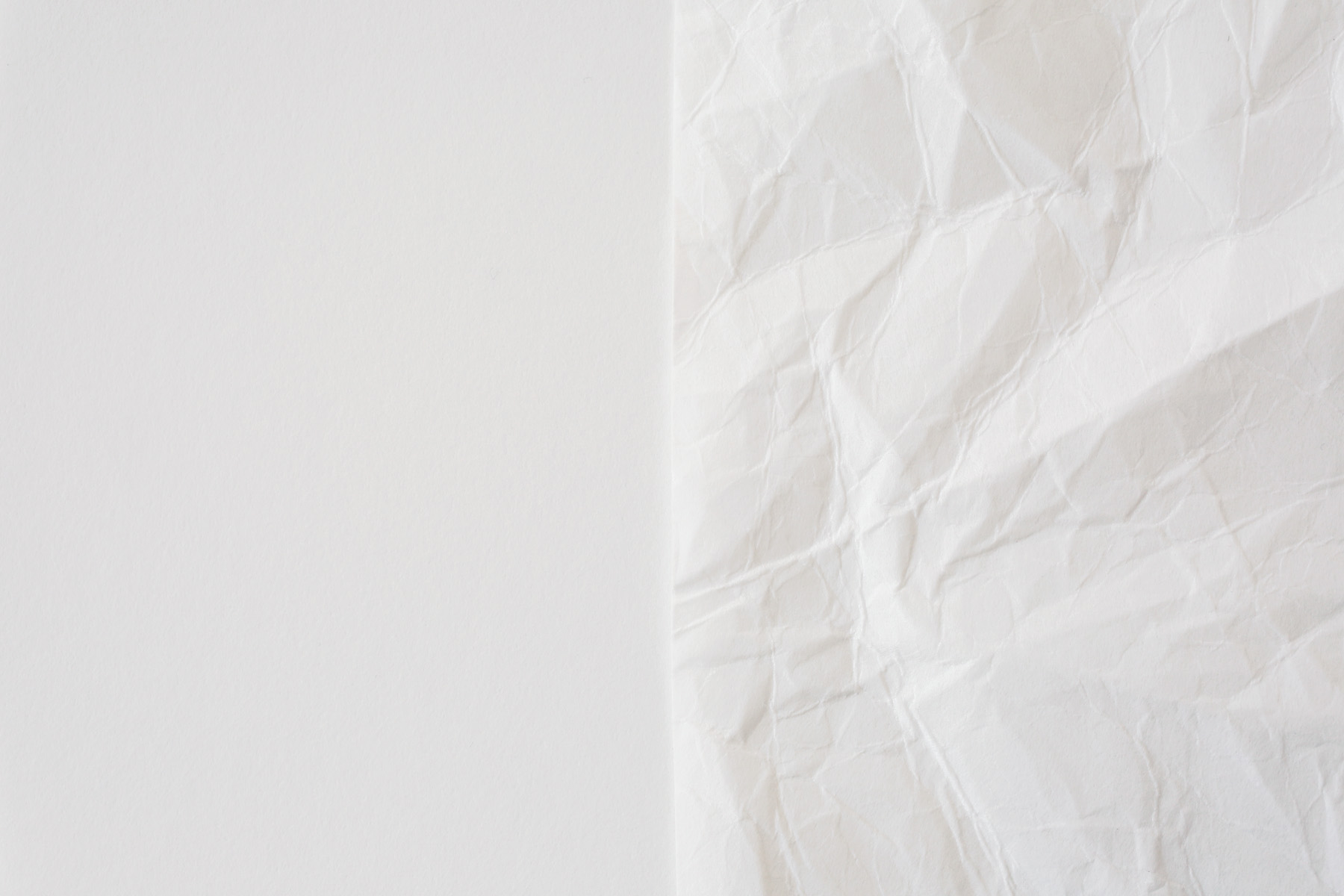
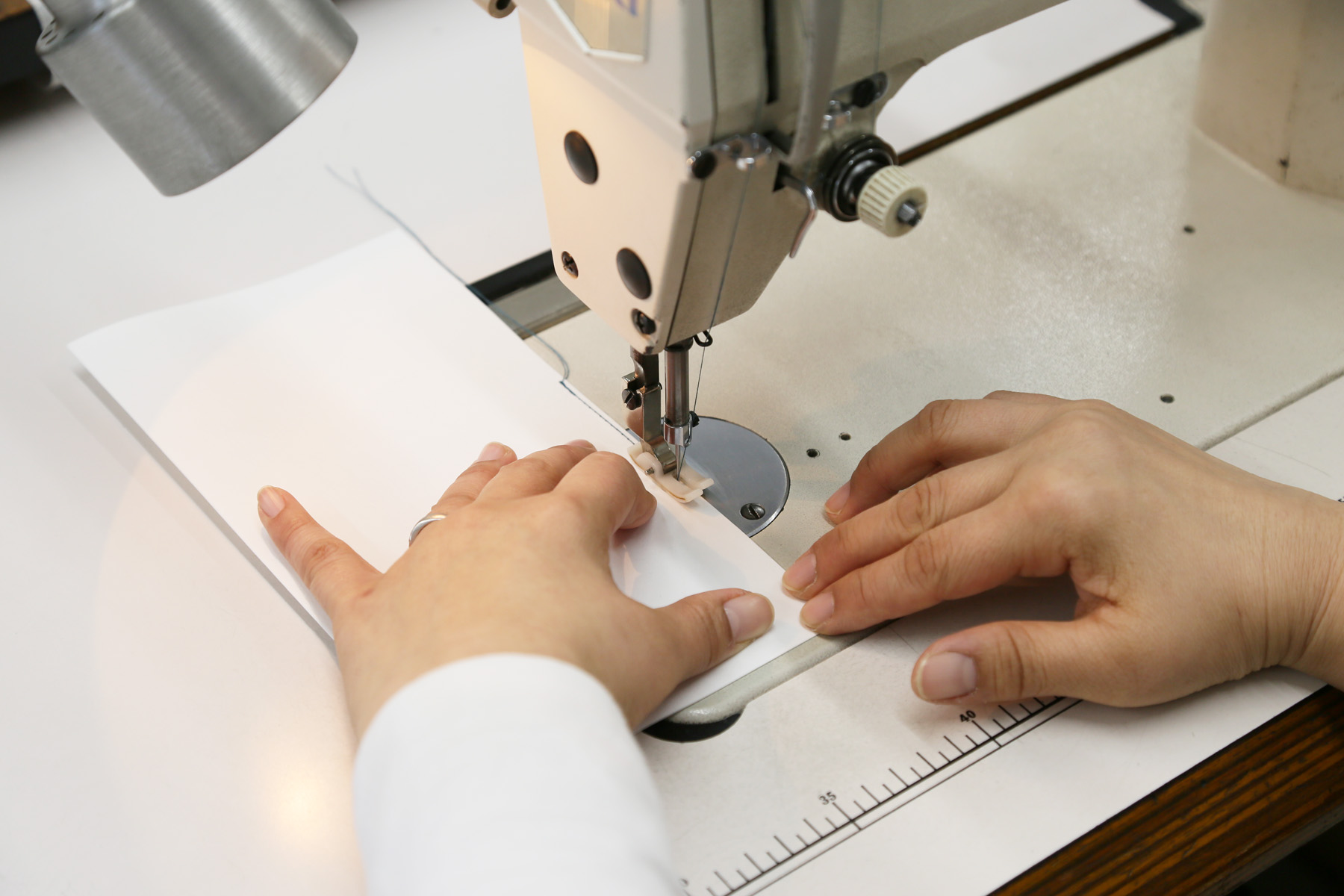
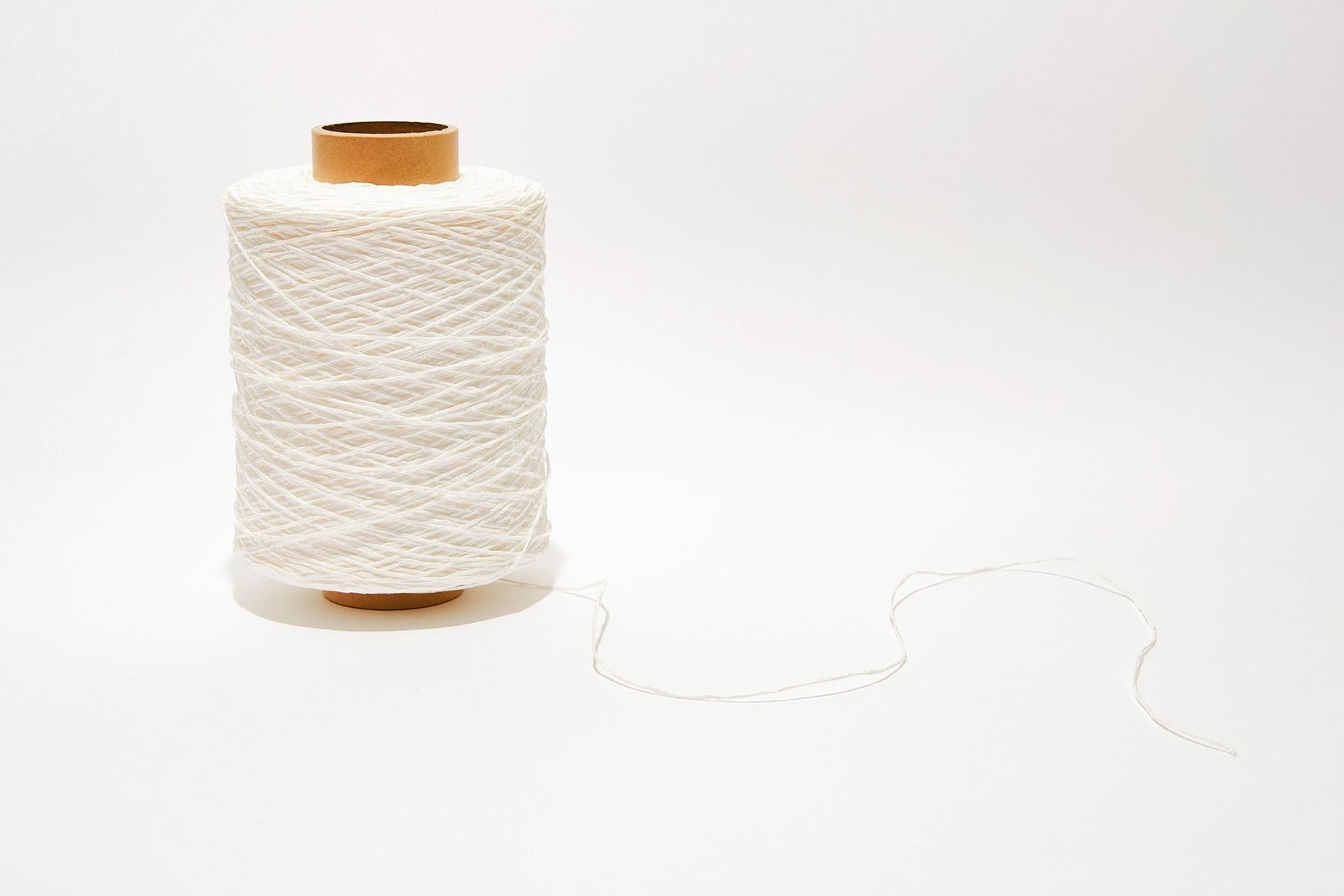
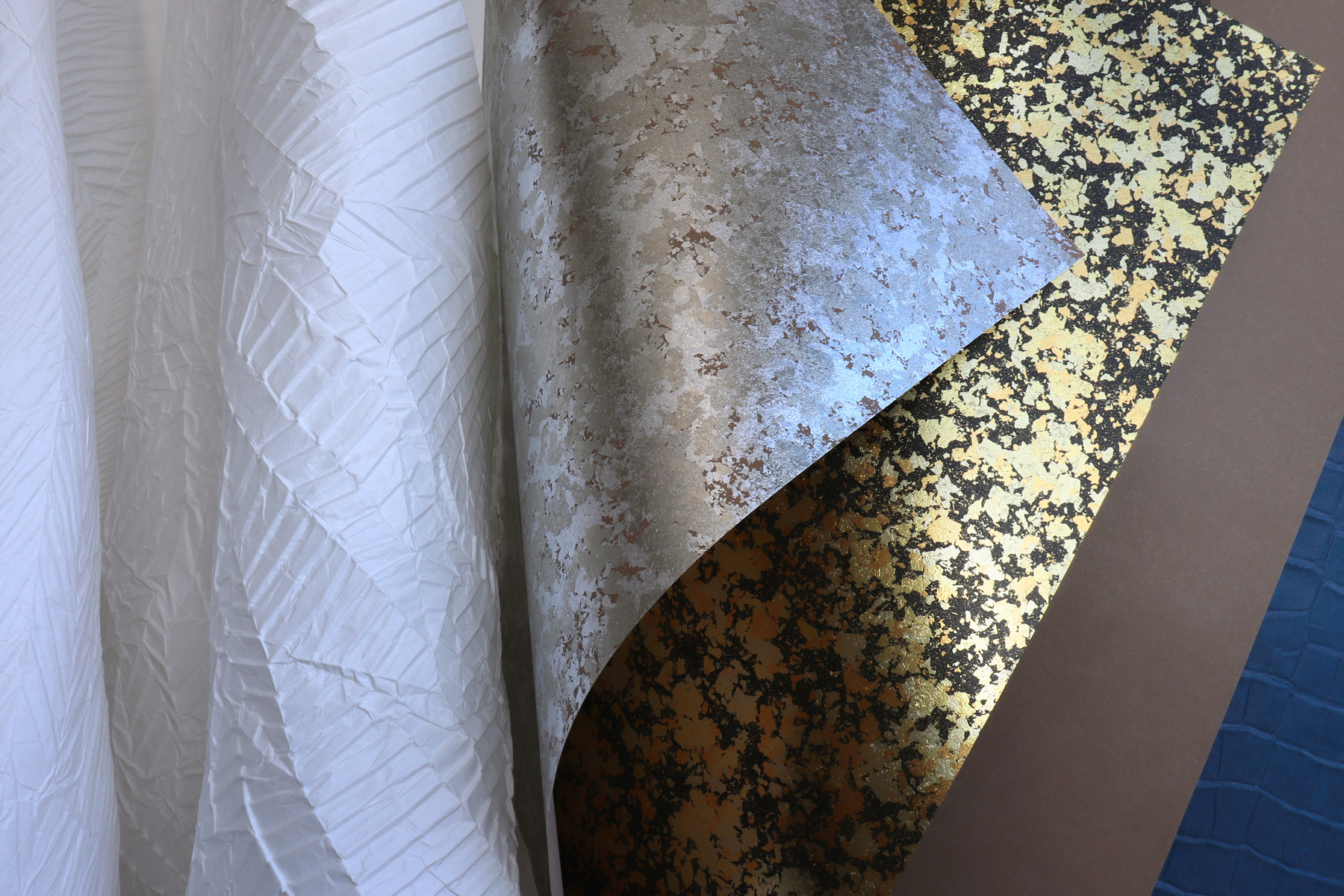
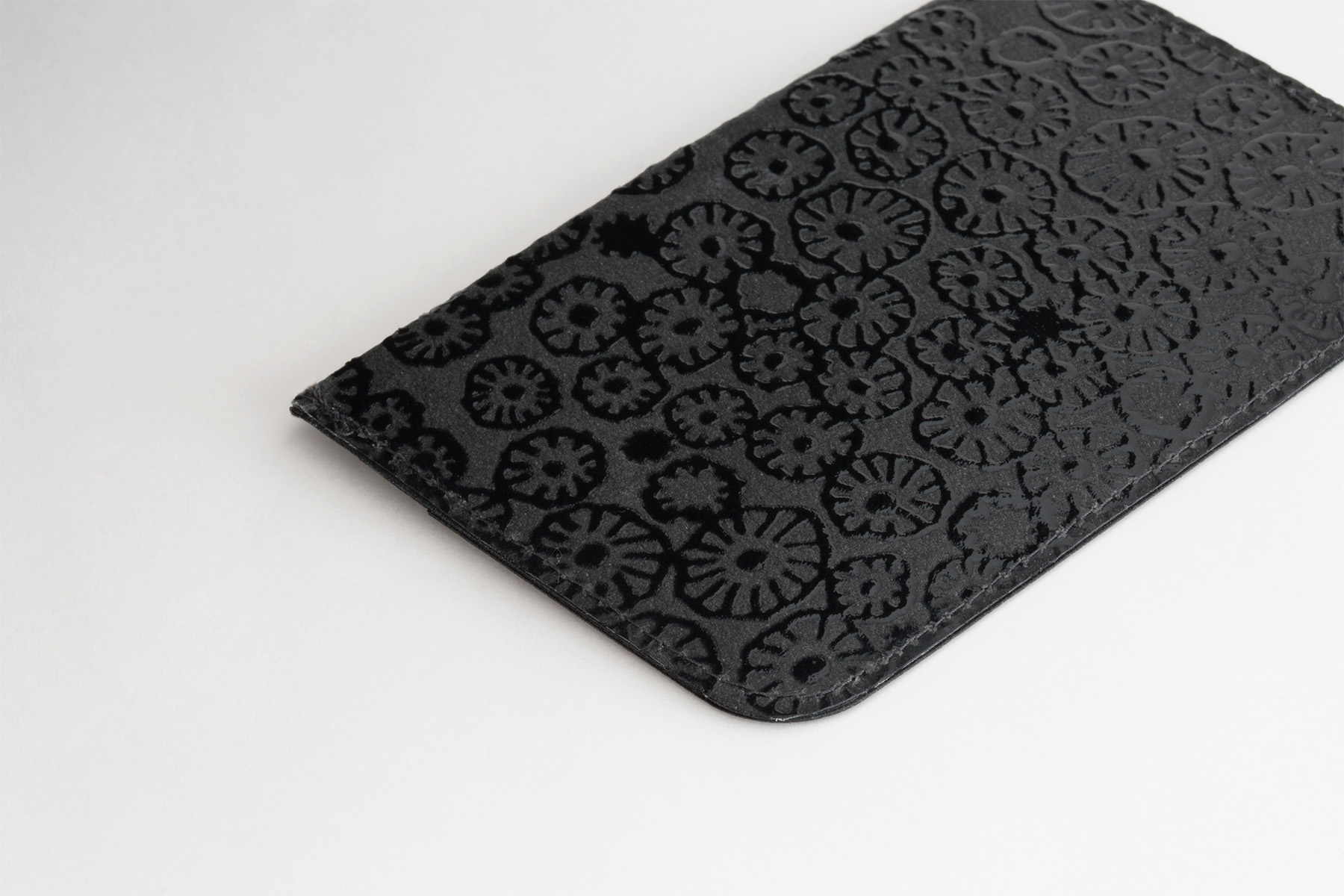
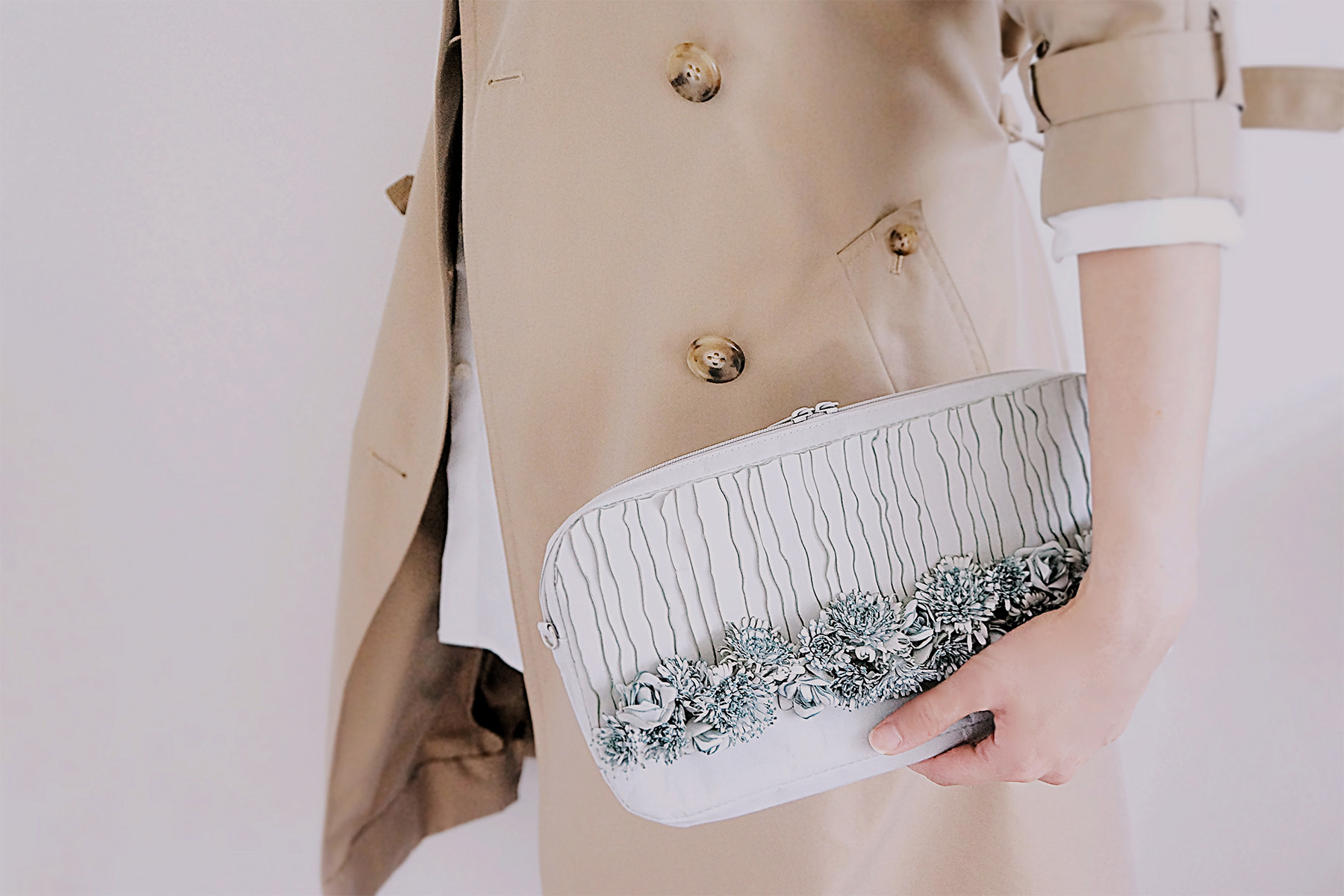
自社ブランドSIWAで使用している素材。
和紙の風合いがありながら、水にも強く
ミシン縫いも可能で、耐久性もあることから
インテリアやファッションアイテムなど
幅広くお使いいただけます。
UV印刷、シルク印刷、箔押し・箔貼り、エンボス加工
漆加工、熱成形、帯編み、撚糸など様々な加工が可能です。
やわらかくしなやかなソフトナオロンと
毛羽立ちにくいハードナオロンをご用意しています。
ハードナオロンは、使用済みペットボトルを原料に用いた
リサイクル資源を有効活用した素材です。
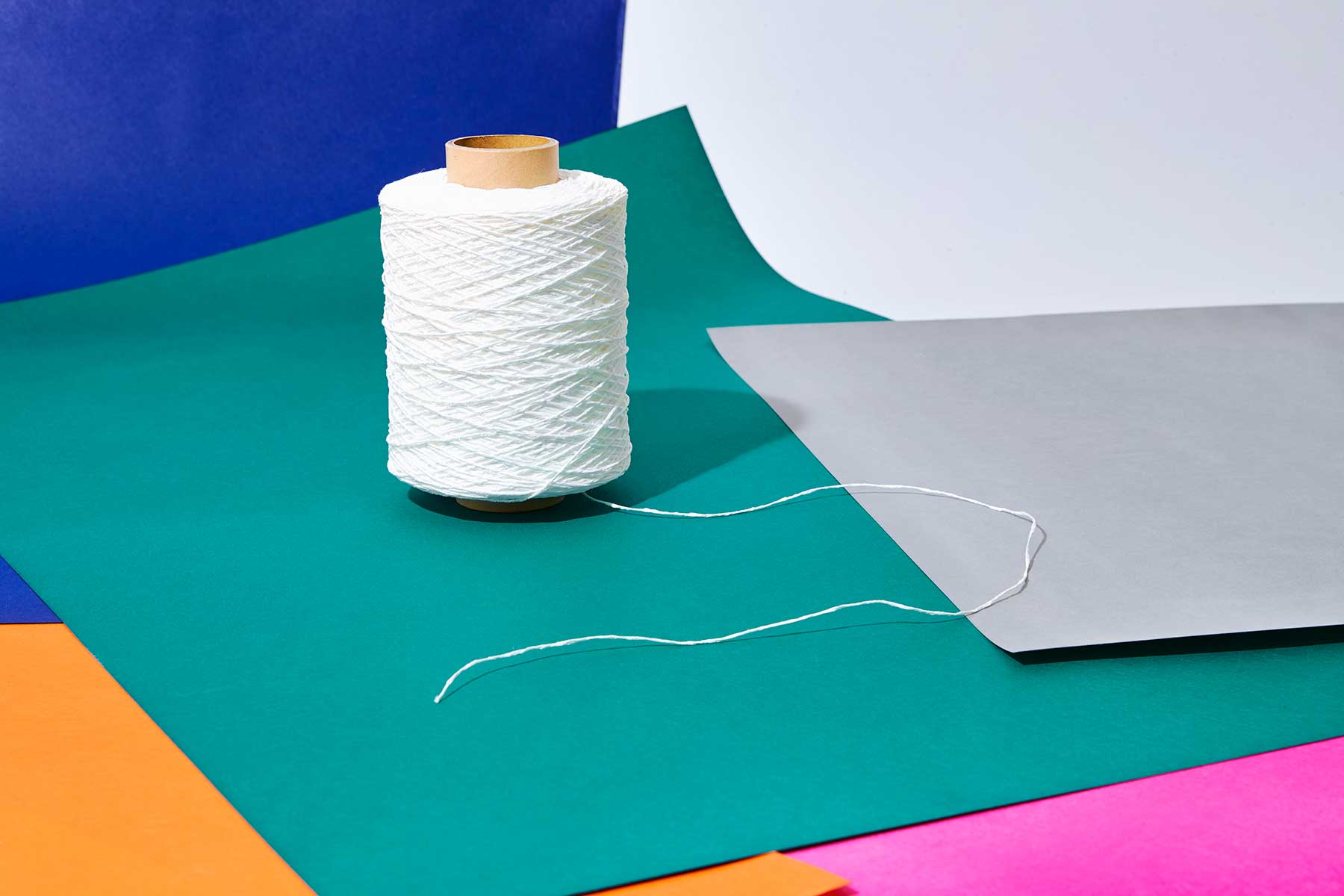
Naoron is the proprietary material used in our original brand, SIWA.
While retaining the distinctive texture of traditional Japanese washi paper, it is highly water-resistant, machine-sewable and durable, making it suitable for a wide range of applications including interior products and fashion items.
It supports various processing techniques, such as UV printing, silk-screen printing, foil stamping and foiling, embossing, natural Japanese lacquer coating (not synthetic lacquer paint), thermoforming, flat braiding, and twisting.
Two types are available. Soft Naoron, which is flexible and supple, and Hard Naoron, which is lint-resistant and offers enhanced durability.
Hard Naoron is a material that effectively utilizes recycled materials derived from used PET bottles.
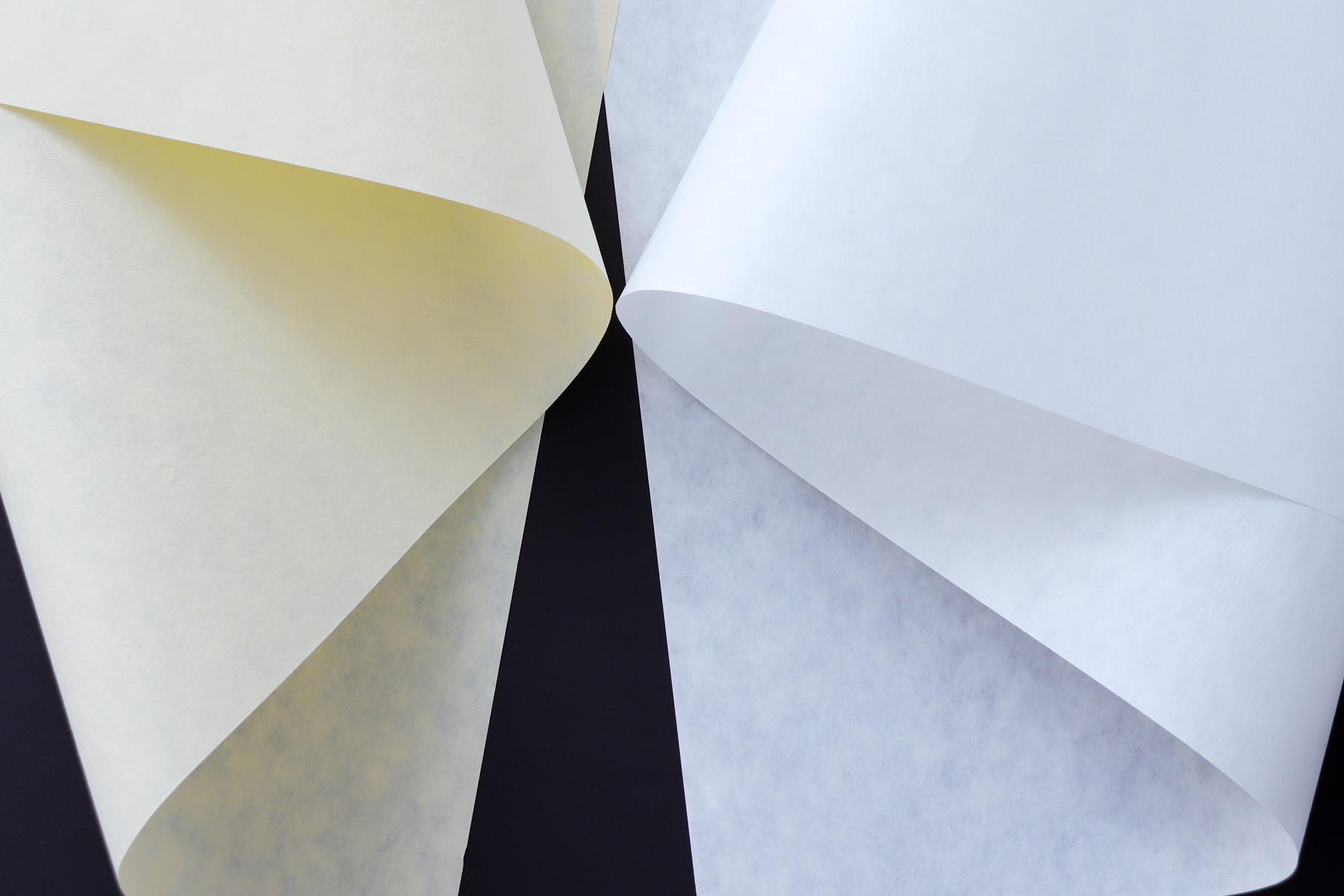
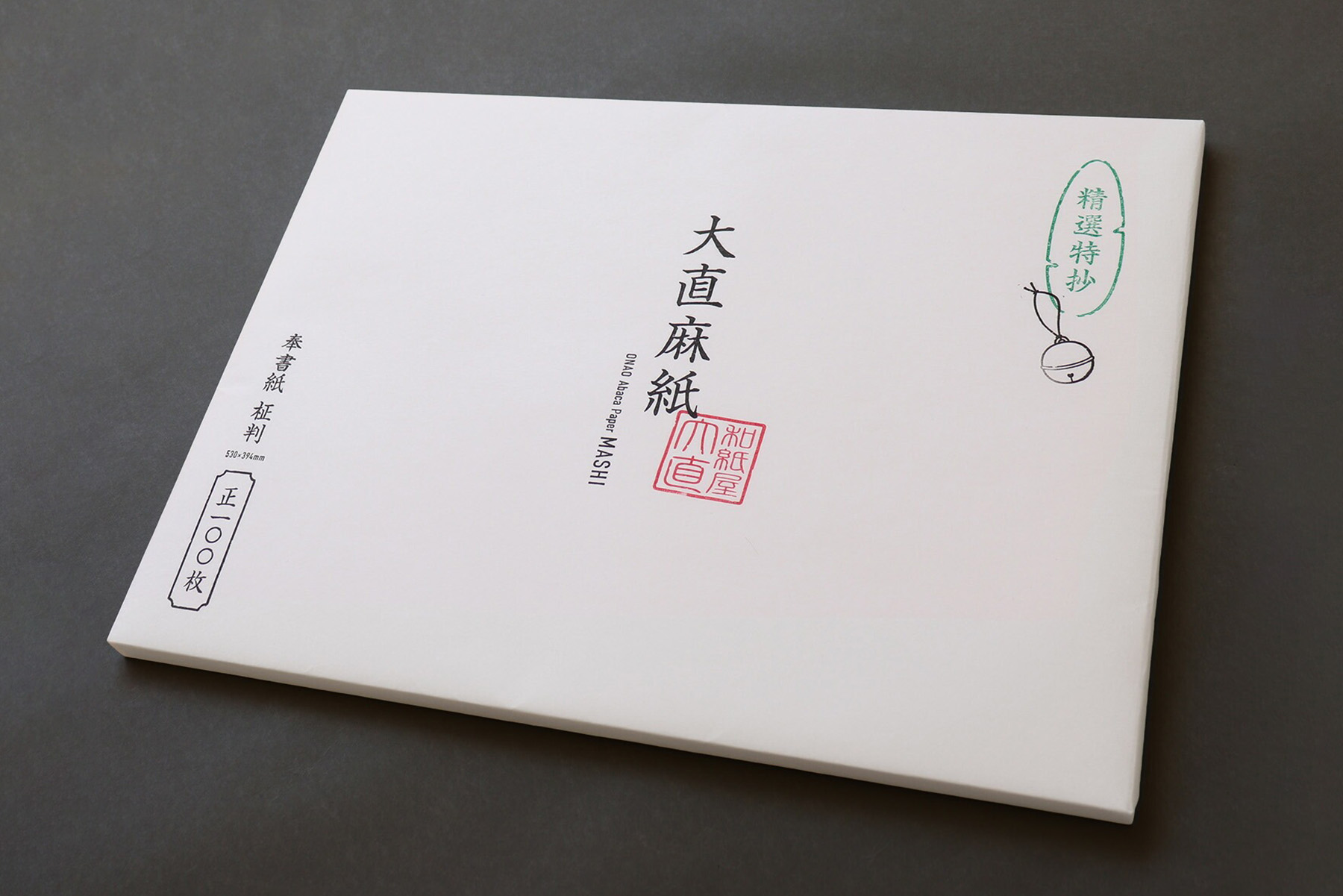
機械での抄紙でありながら、雲のような独特の地合いと
手漉き紙のような厚みの揺らぎをもち合わせた強靭な「麻紙」。
フィリピン原産の多年草「Abaca(マニラ麻)」を
100%使用した、非木材繊維のサステナブルな和紙です。
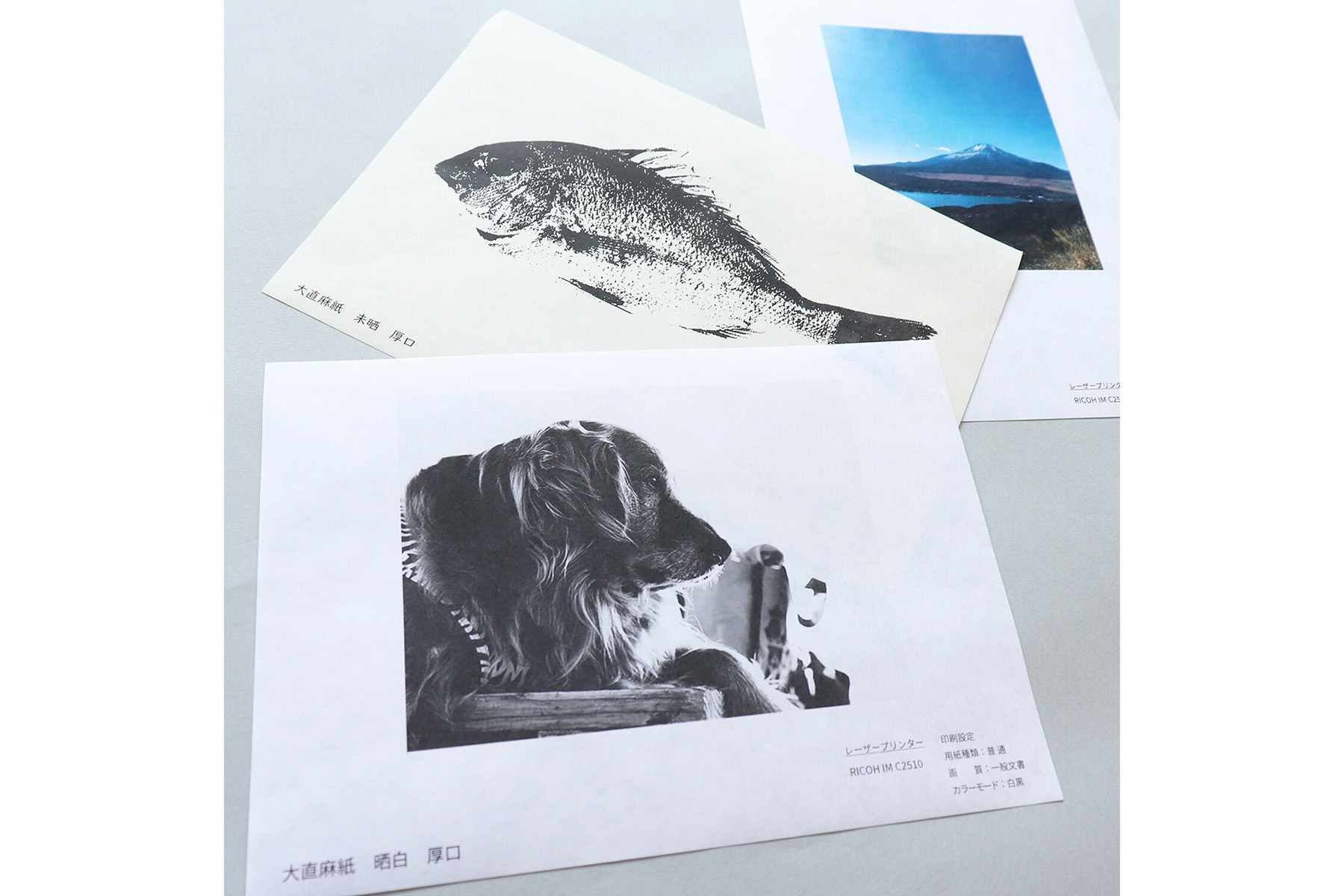
印刷も可能で、通常プリントに適した薄口タイプと
写真やアート作品を高画質でプリントできる厚口タイプがあり
それぞれに白・未晒があります。
Mashi is durable Japanese paper that, despite being machine-made, features a distinctive cloud-like texture and irregular thickness variation characteristic of handmade paper.
This sustainable washi paper is made from non-wood fibers, using 100% abaca (Manila hemp), a perennial plant native to the Philippines.
Mashi is printable and available in two types, a thin type designed for standard printing and a thick type suitable for high-quality printing of photographs and art works.
Each type is available in white and unbleached finishes.
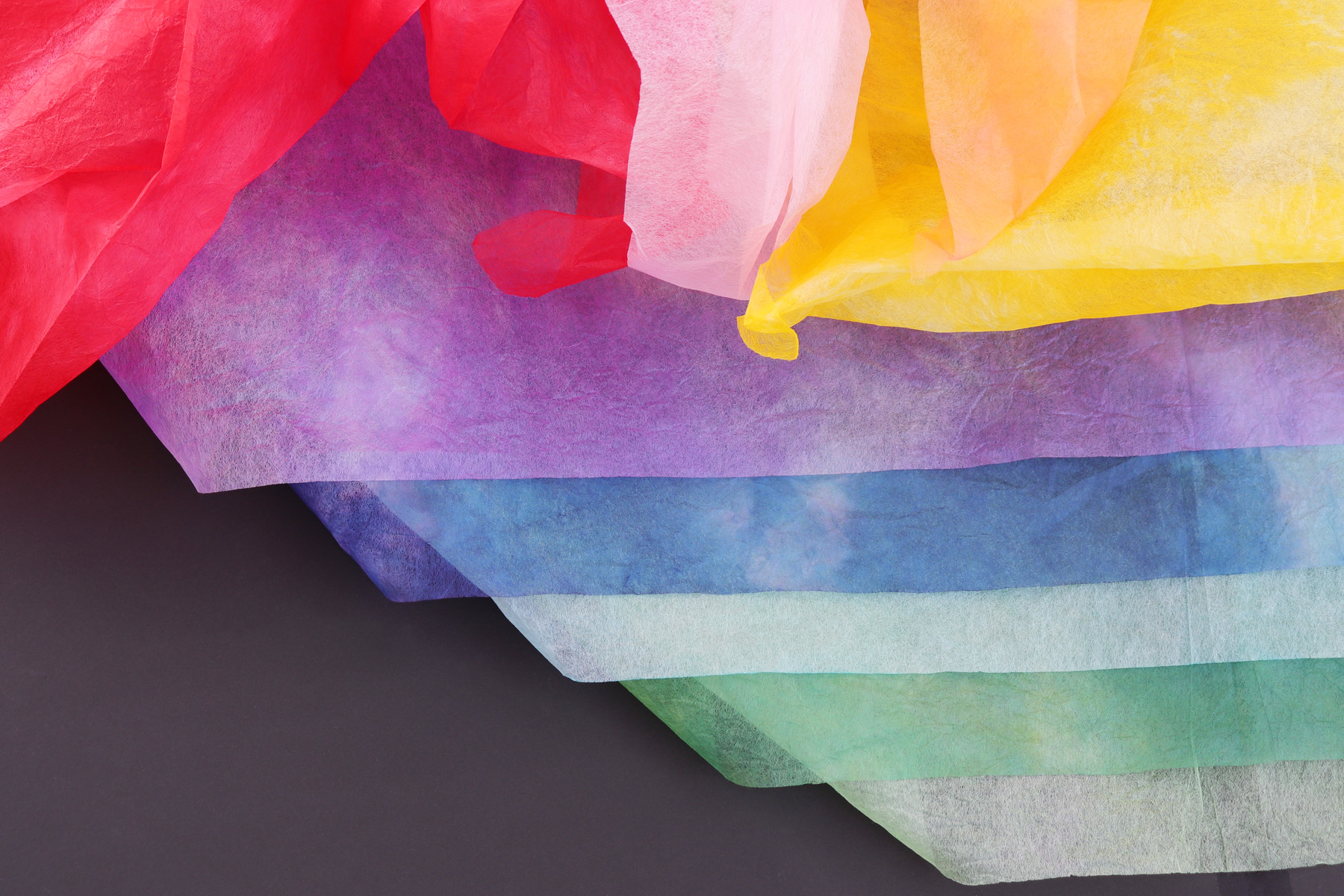
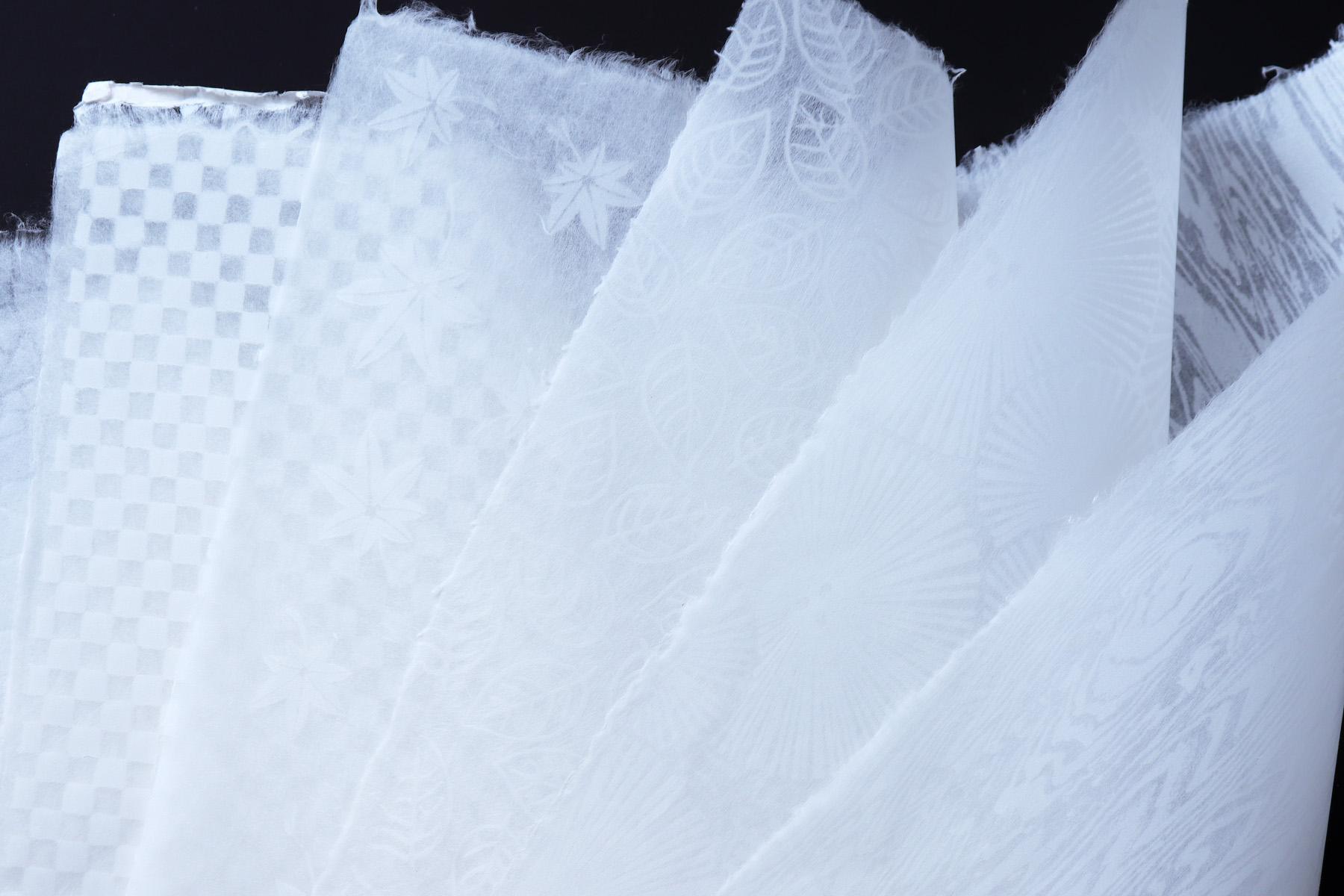
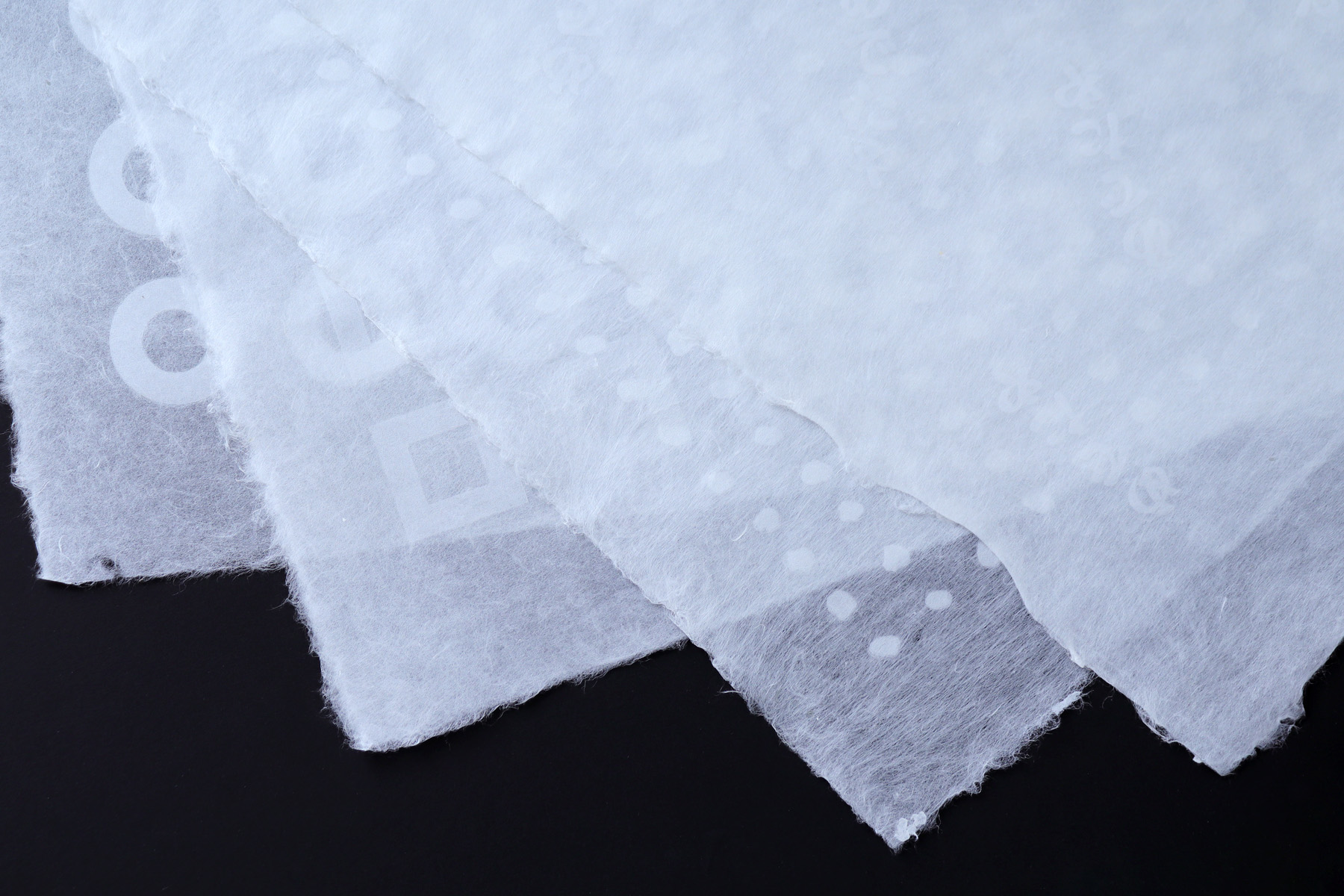
楮の優良な繊維のみで漉いた「典具帖」。
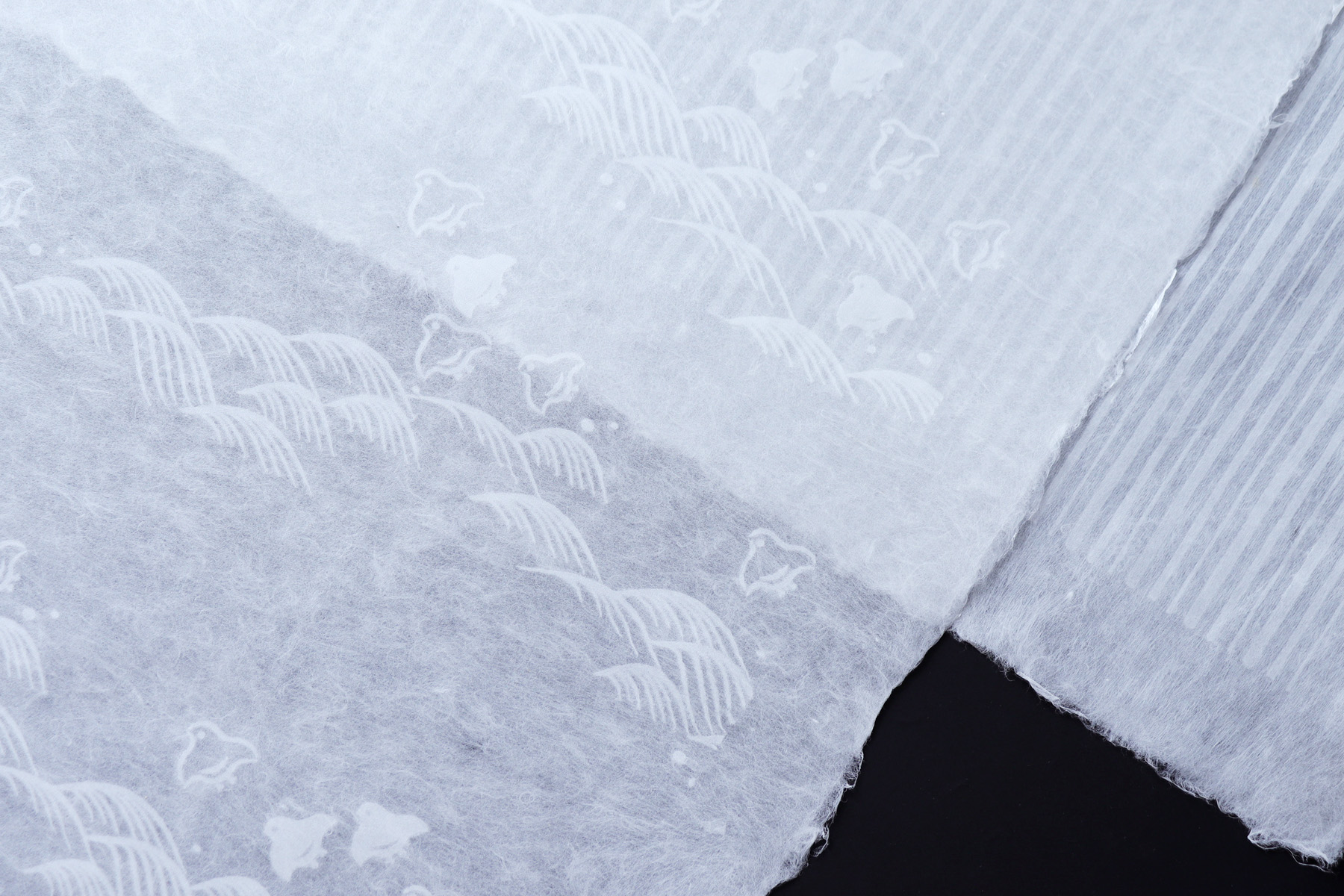
二層漉きで透かし模様を表現した「透かし紙」。
どちらも透き通るように薄く、しなやかです。
典具帖は白を含めて10色。
透かし紙は、市松や豆絞りといった伝統柄のほか
木目柄、バラなどに無地を入れて14種ご用意しています。
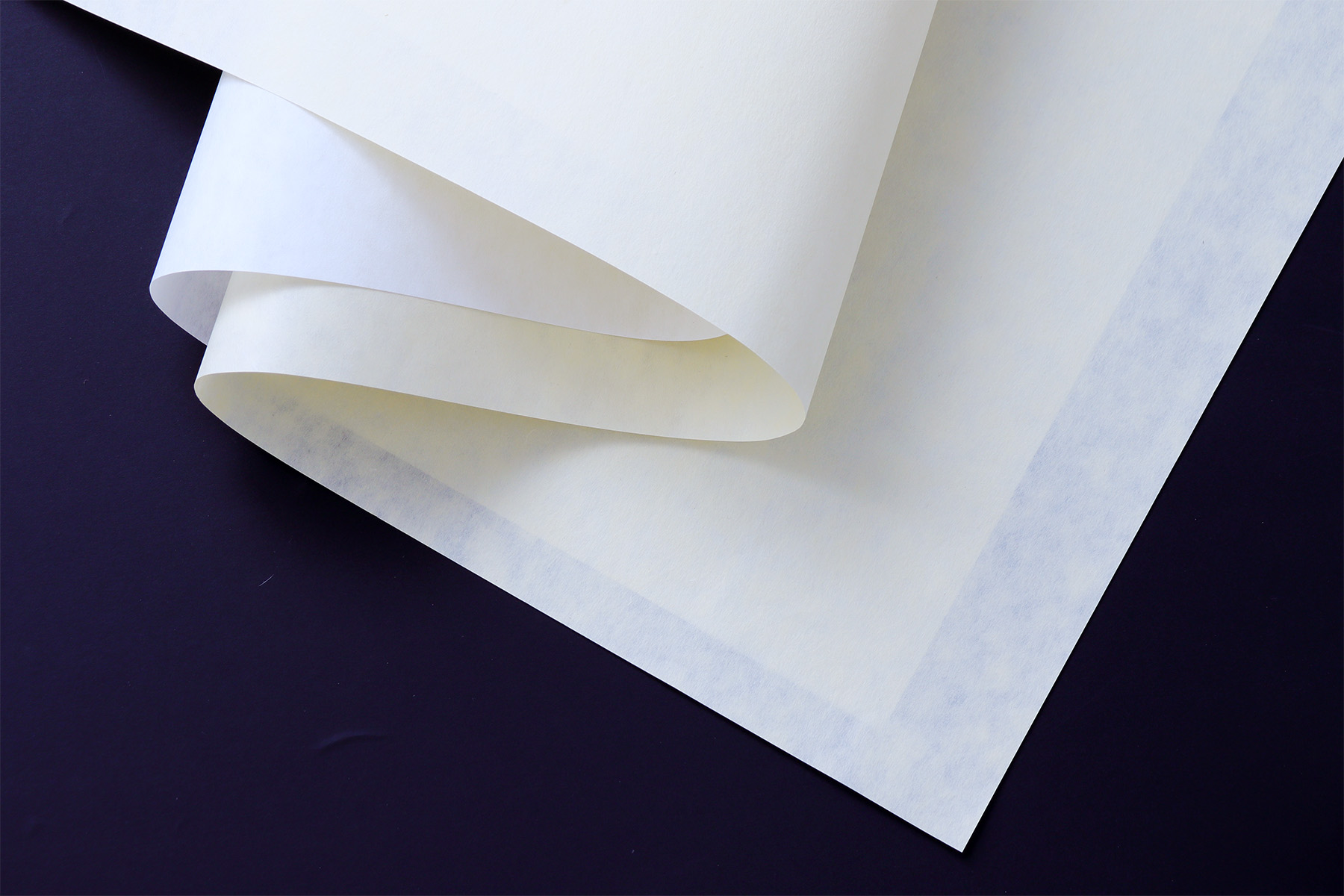
Tengujo is Japanese paper made from only selected high-quality fibers of kozo (paper mulberry).
Watermarked paper is produced using a double-layer papermaking process to create watermark patterns.
Both are extremely thin, translucent, and supple.
Tengujo is available in ten colors, including white.
Watermarked Washi is offered in 14 variations, including traditional patterns such as ichimatsu (checkered) and mameshibori (dot patterns), as well as wood-grain patterns, rose motifs, and plain designs.
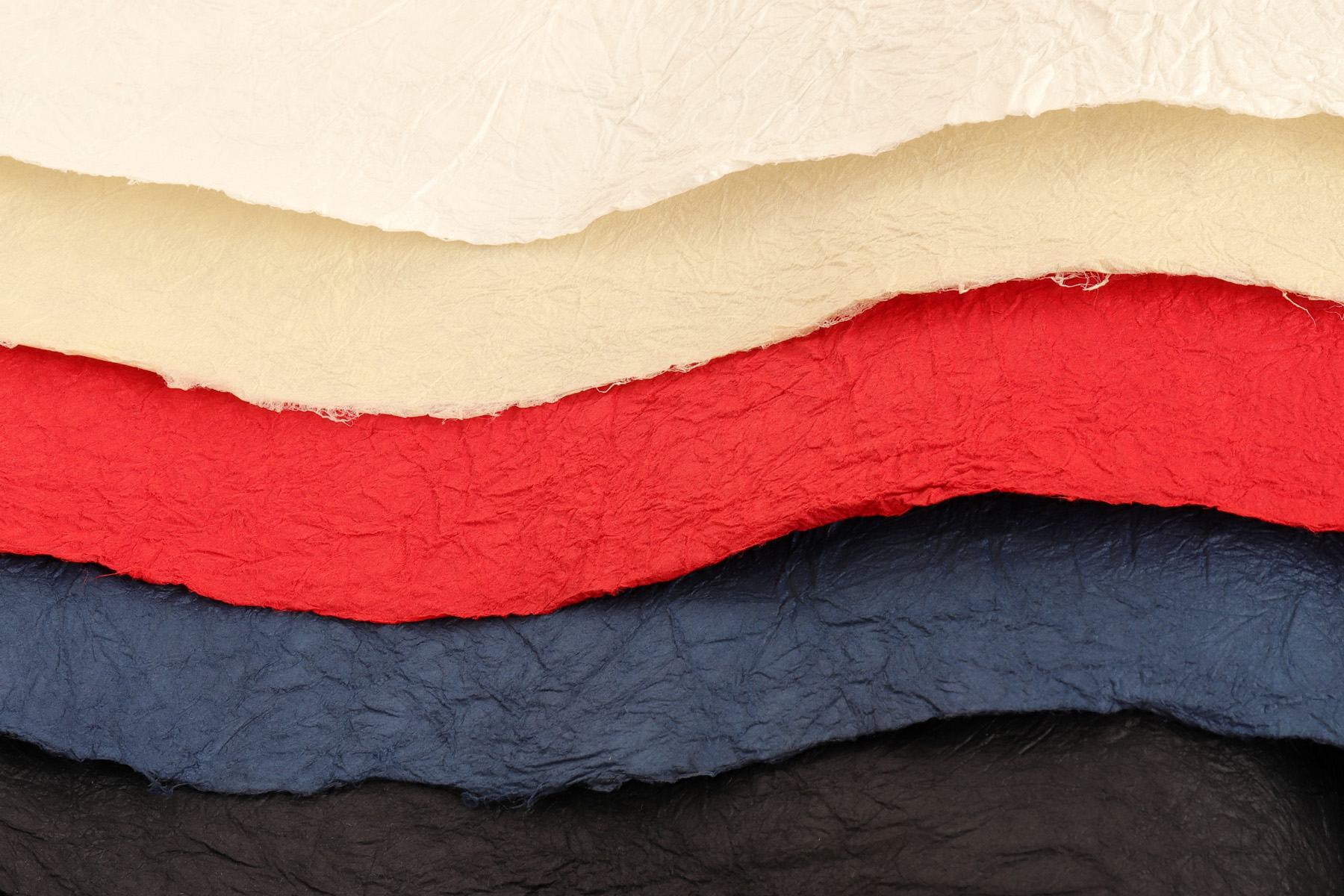
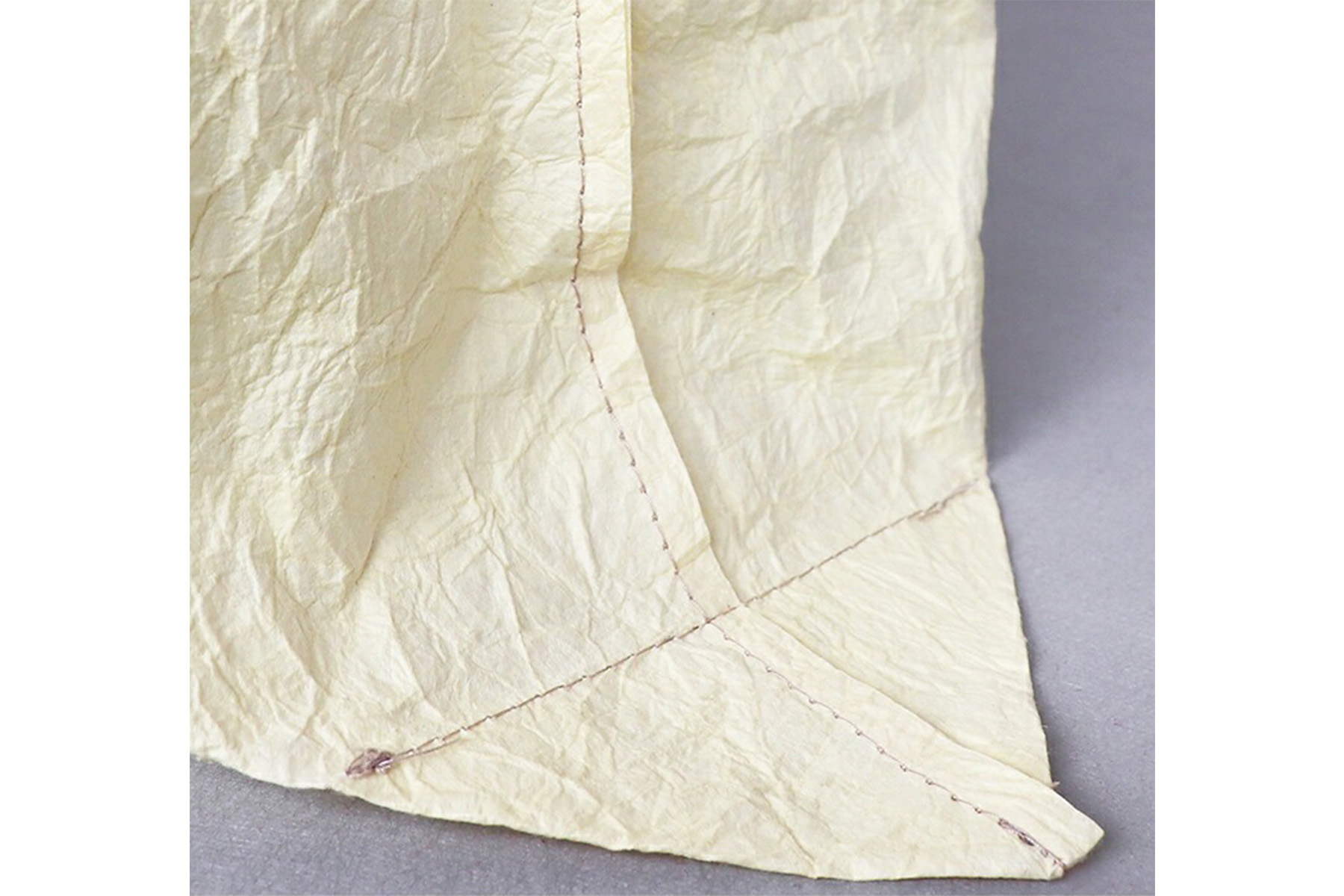
楮の和紙に手もみで しわ加工をほどこした
「強制紙(きょうせいし)」。
しなやかで独特な風合いに加え、強度と耐久性があり、
ミシンで縫うこともできます。
白、生成、赤、紺、黒 の5色ご用意しています。
Kyoseishi is kozo washi paper that has been hand-crumpled to create a wrinkled texture.
It offers suppleness and a unique texture along with excellent strength and durability, and can be sewn with a sewing machine.
It is available in five colors: white, natural, red, navy, and black.
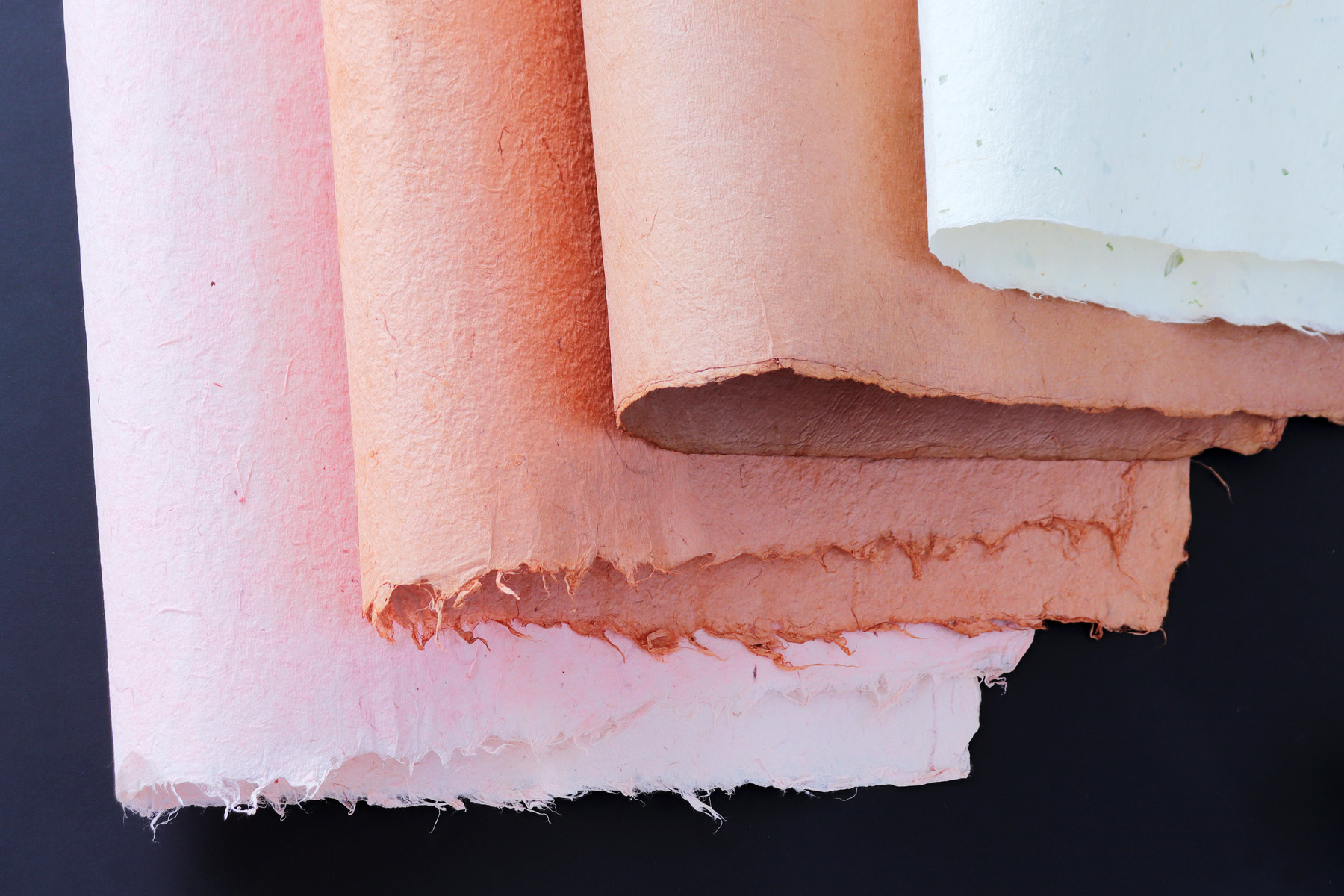
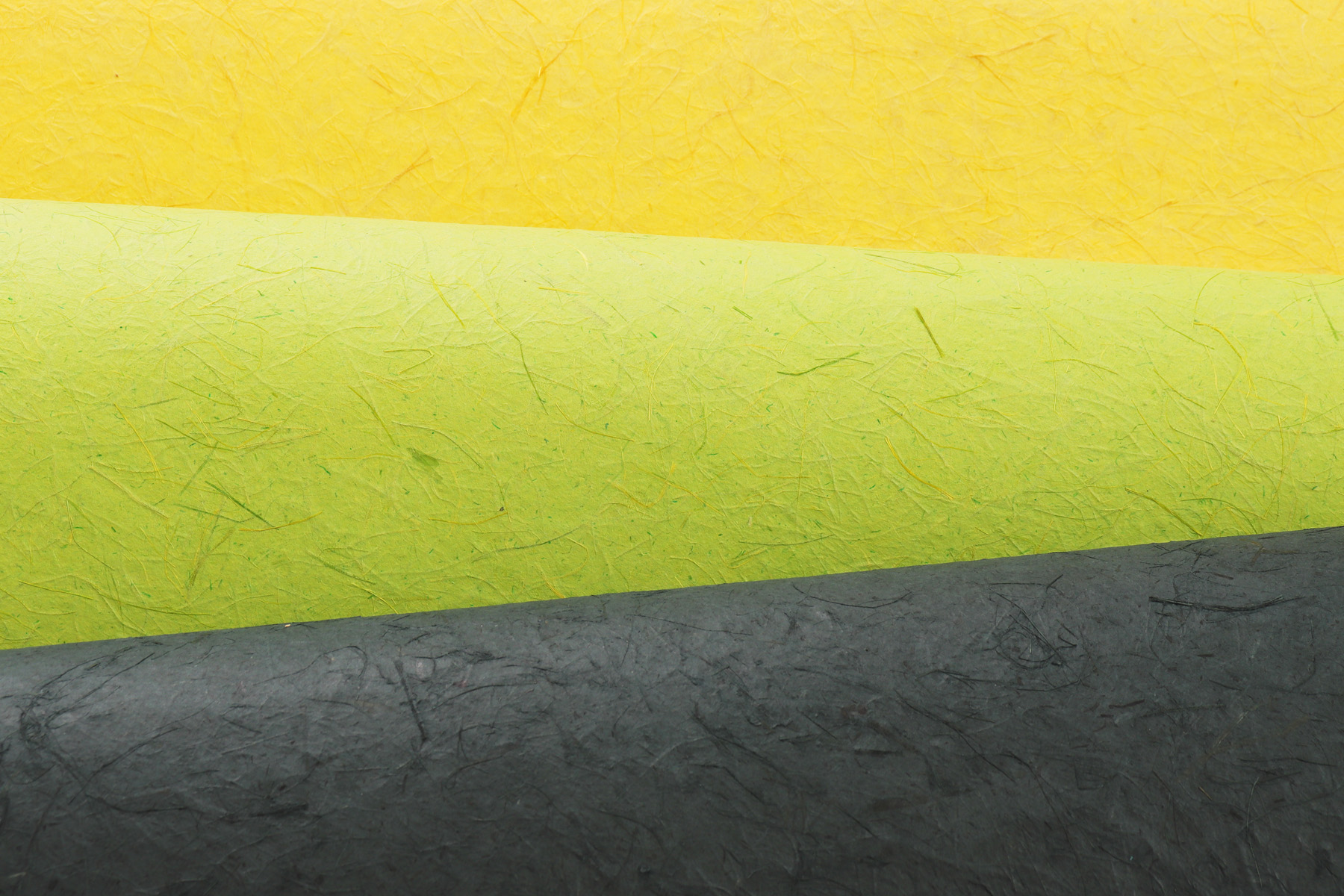
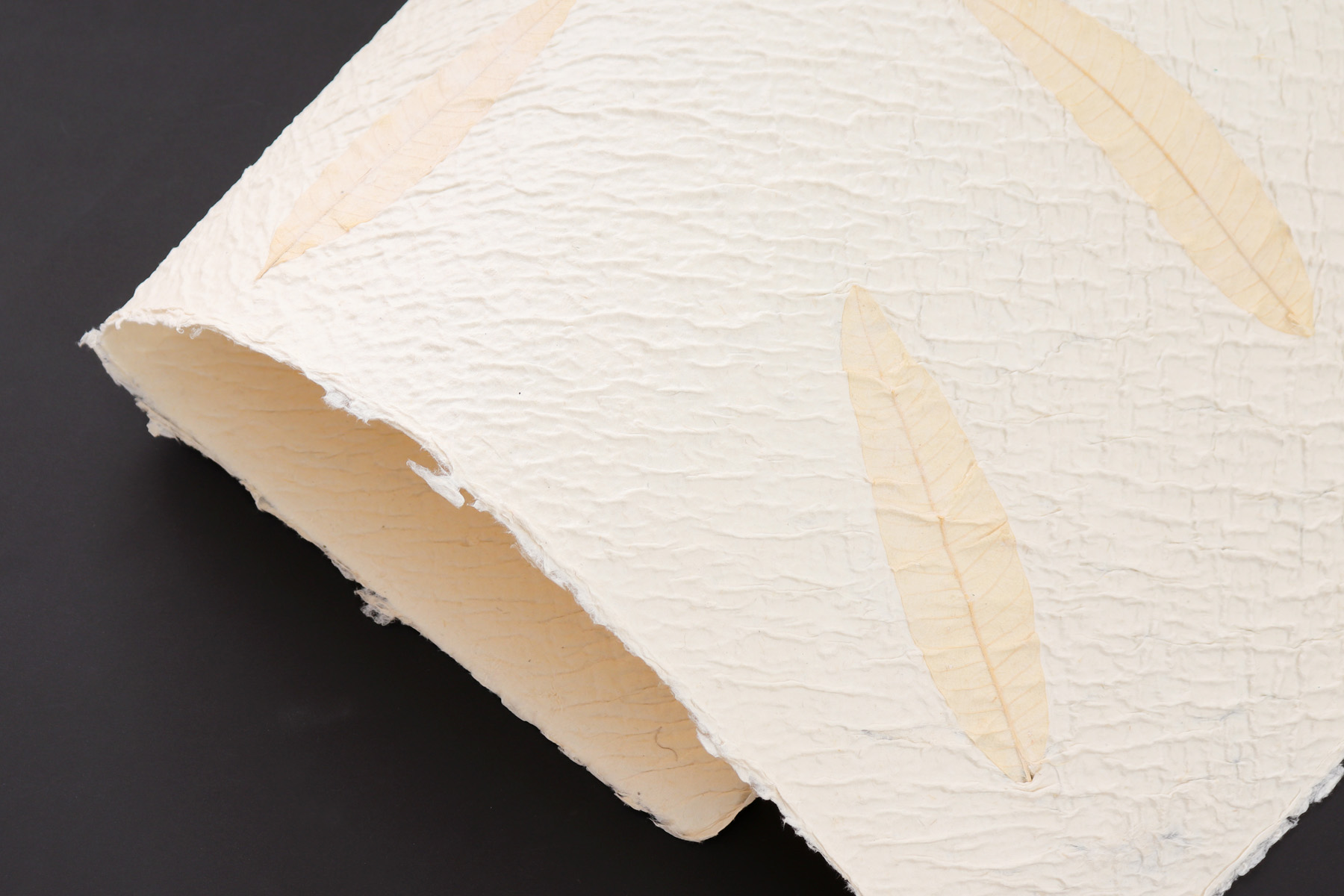
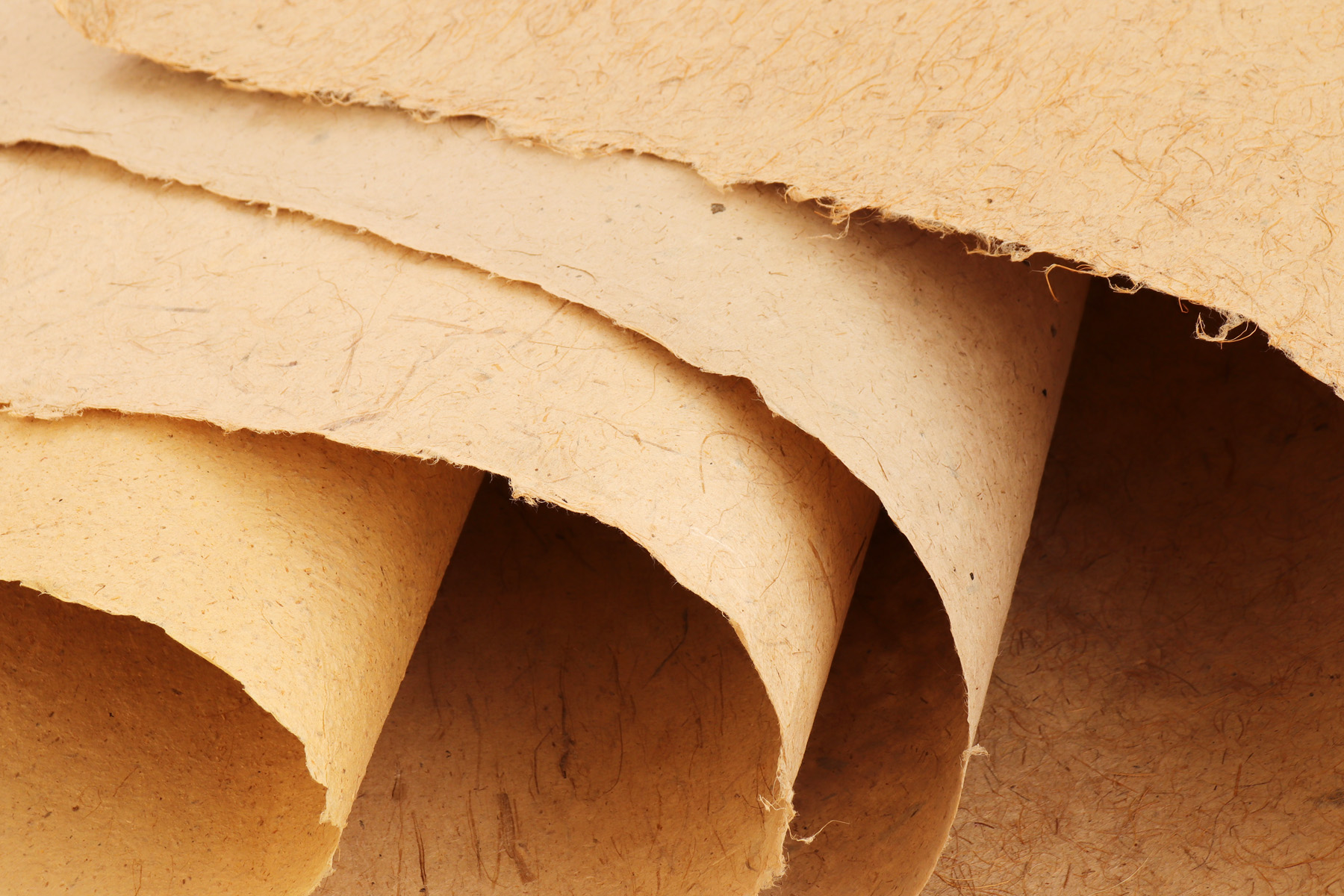
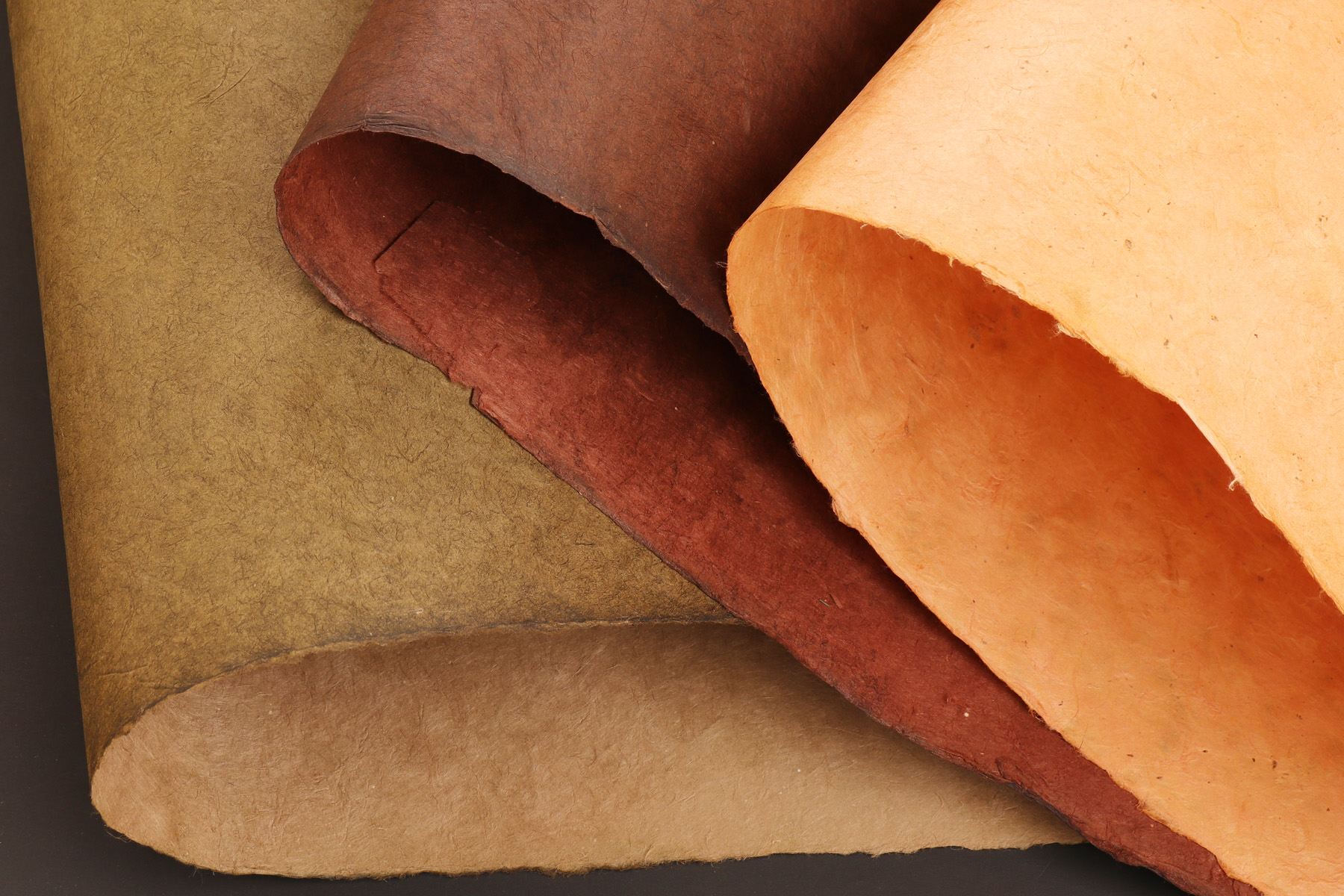
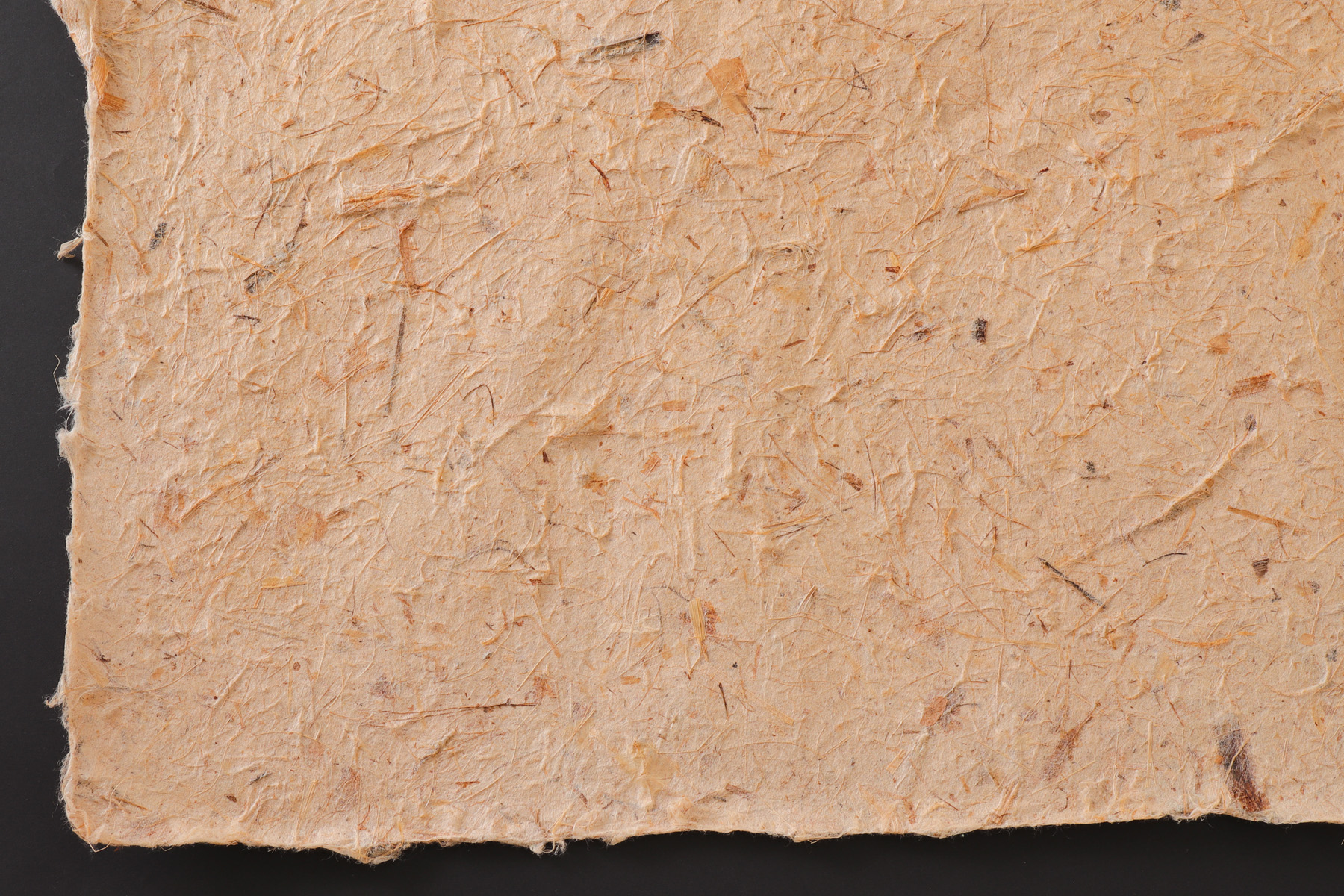
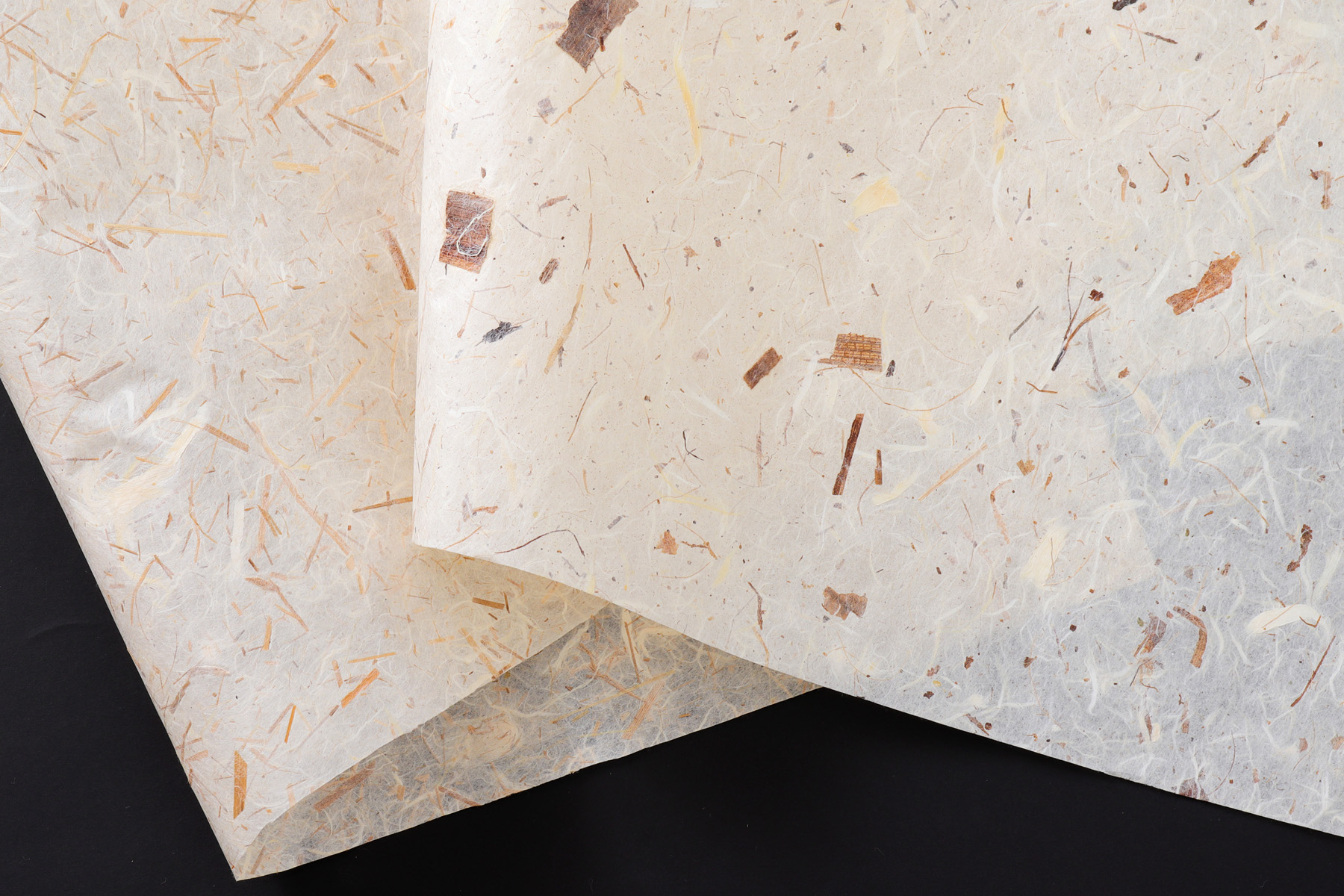
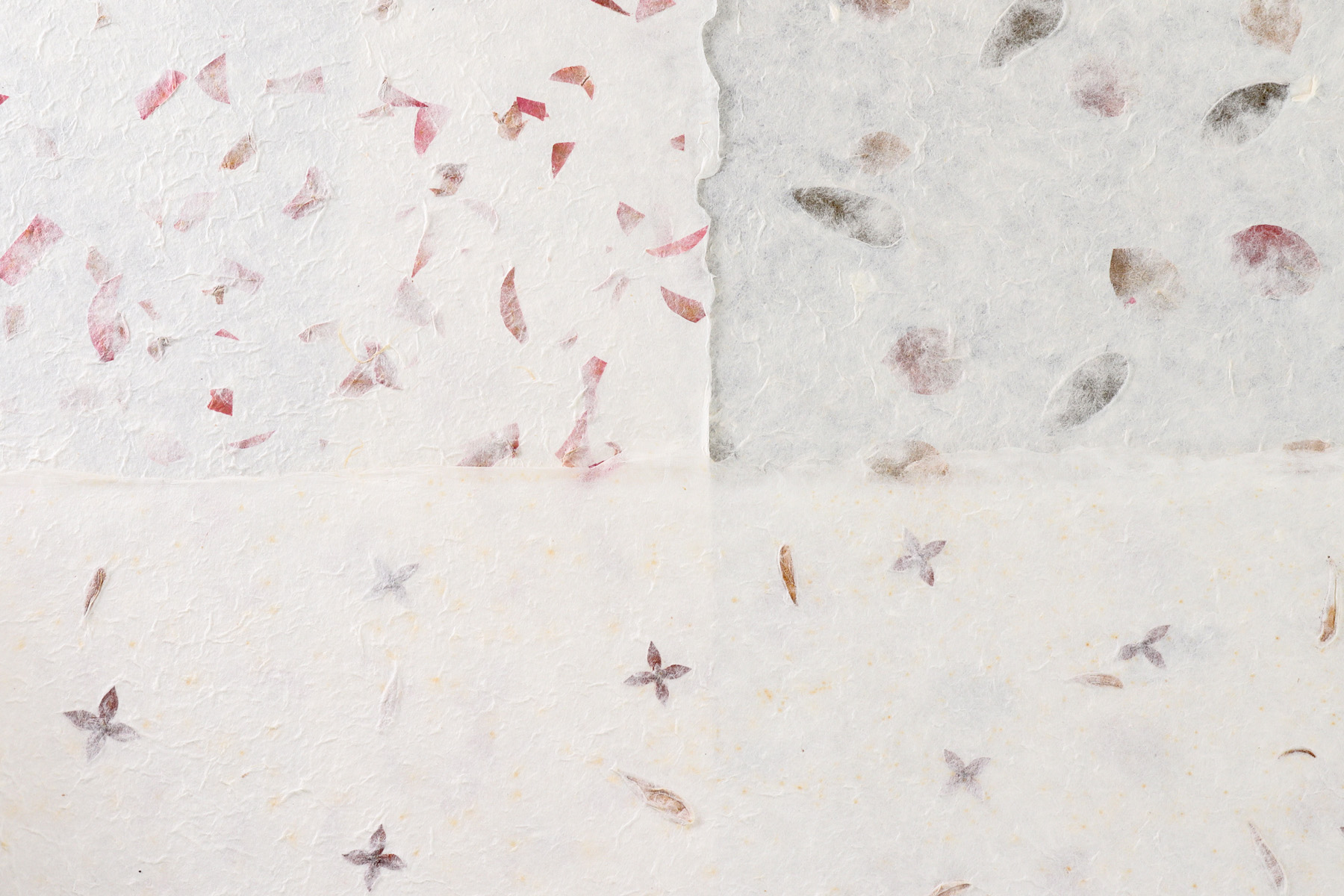
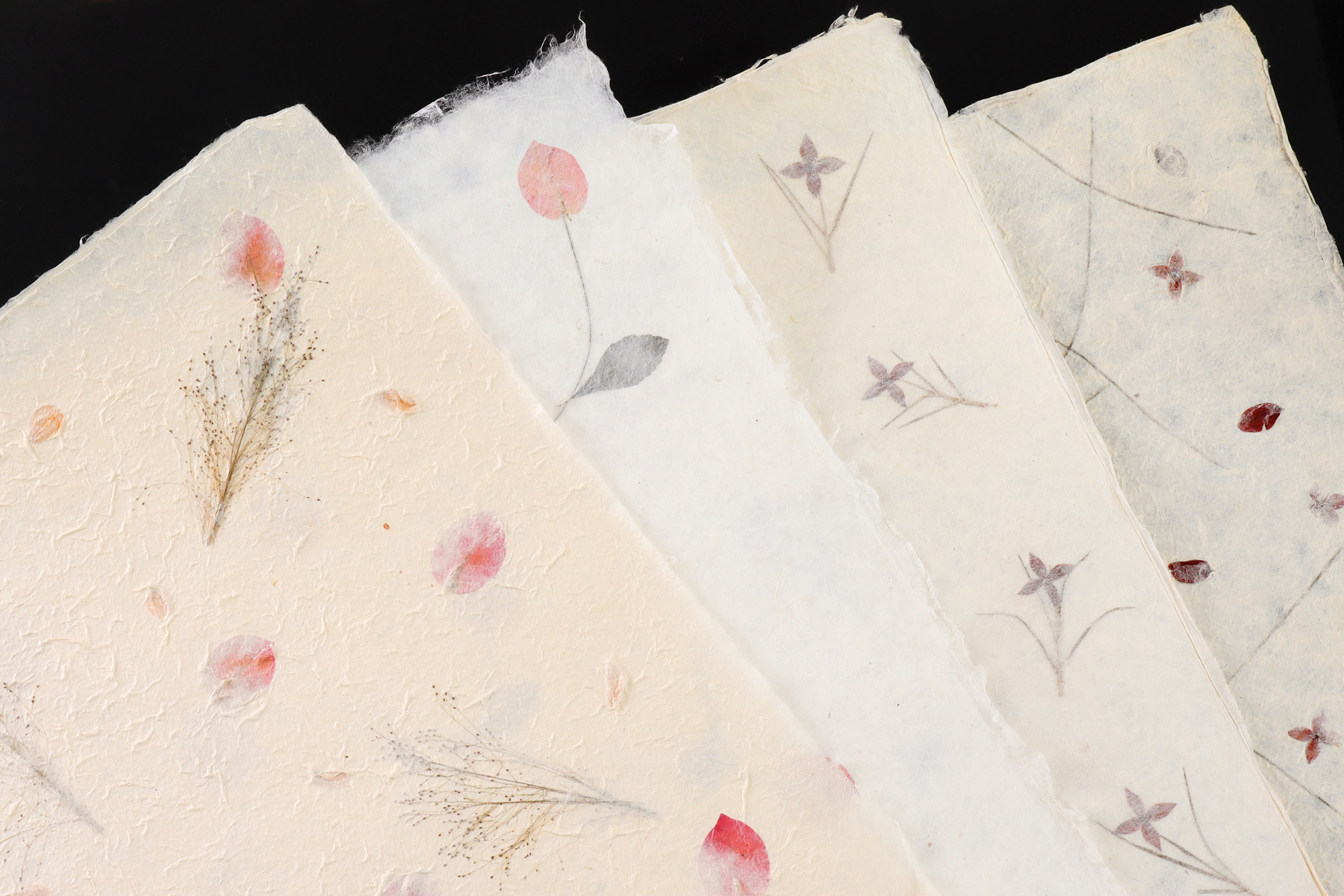
ベトナムに自生する植物の樹皮ドゥウォンやドーで漉いて
野菜や薬草で染めた「VN紙」。
環境への影響を考えて伐採後の再生が早い
アバカやバナナの茎などを原料とした「AS紙」。
破れにくく毛羽立ちにくい「ロクタ紙」。
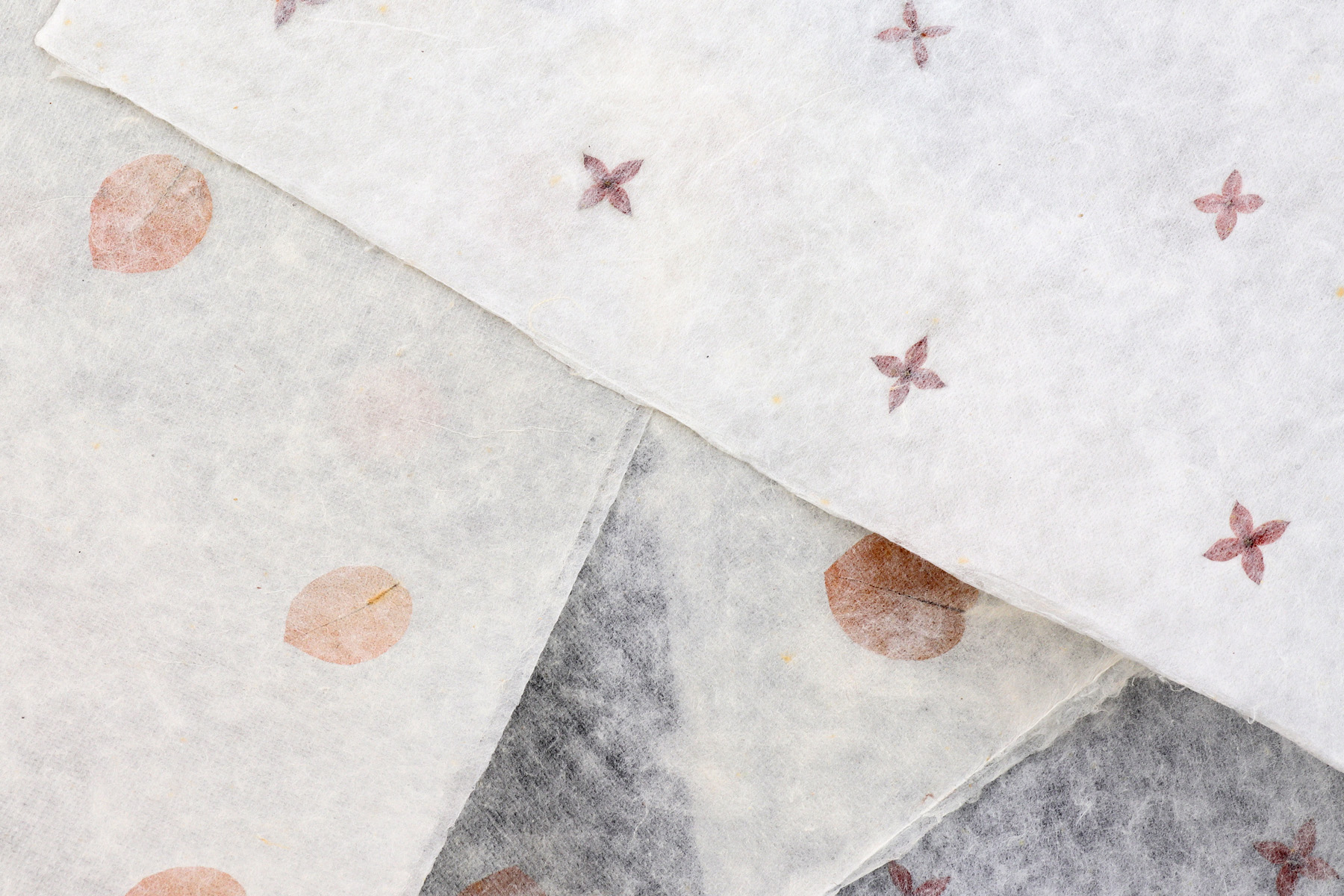
楮の紙に葉っぱや花、木くずを漉き込んだものもあります。
原料の個性が引き立つ、手漉き紙です。
VN Paper is made from the bark of native Vietnamese plants such as Duong and Do, and then dyed with vegetables and medicinal herbs.
AS Paper uses materials like abaca and banana stems, chosen for their rapid regrowth after harvesting to minimize environmental impact.
Lokta Paper is characterized by its high resistance to tearing and fluffing.
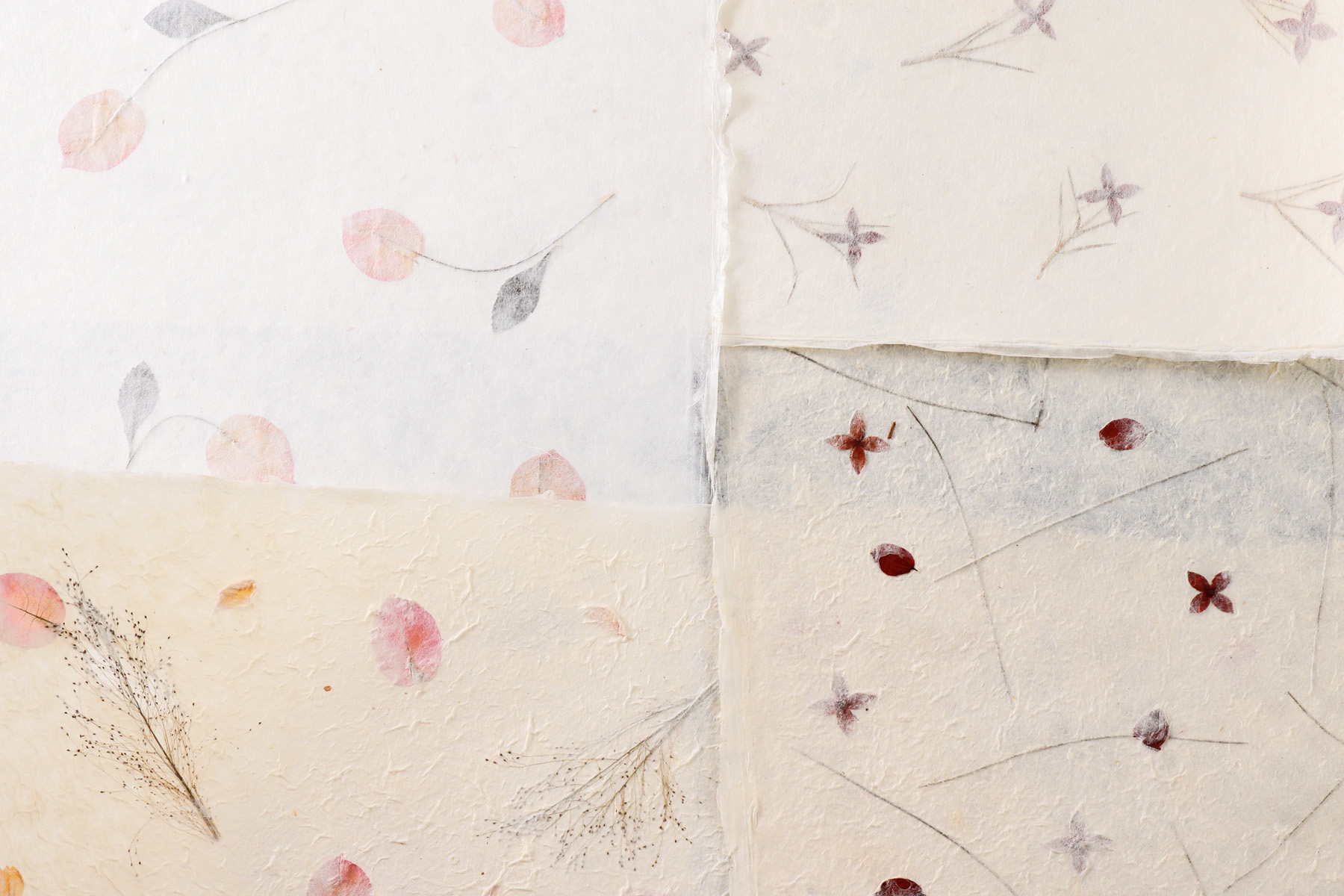
Some of the kozo paper incorporates leaves, flowers, and wood fragments into the sheet.
These are handmade paper that brings out the unique qualities and textures of their natural raw materials.
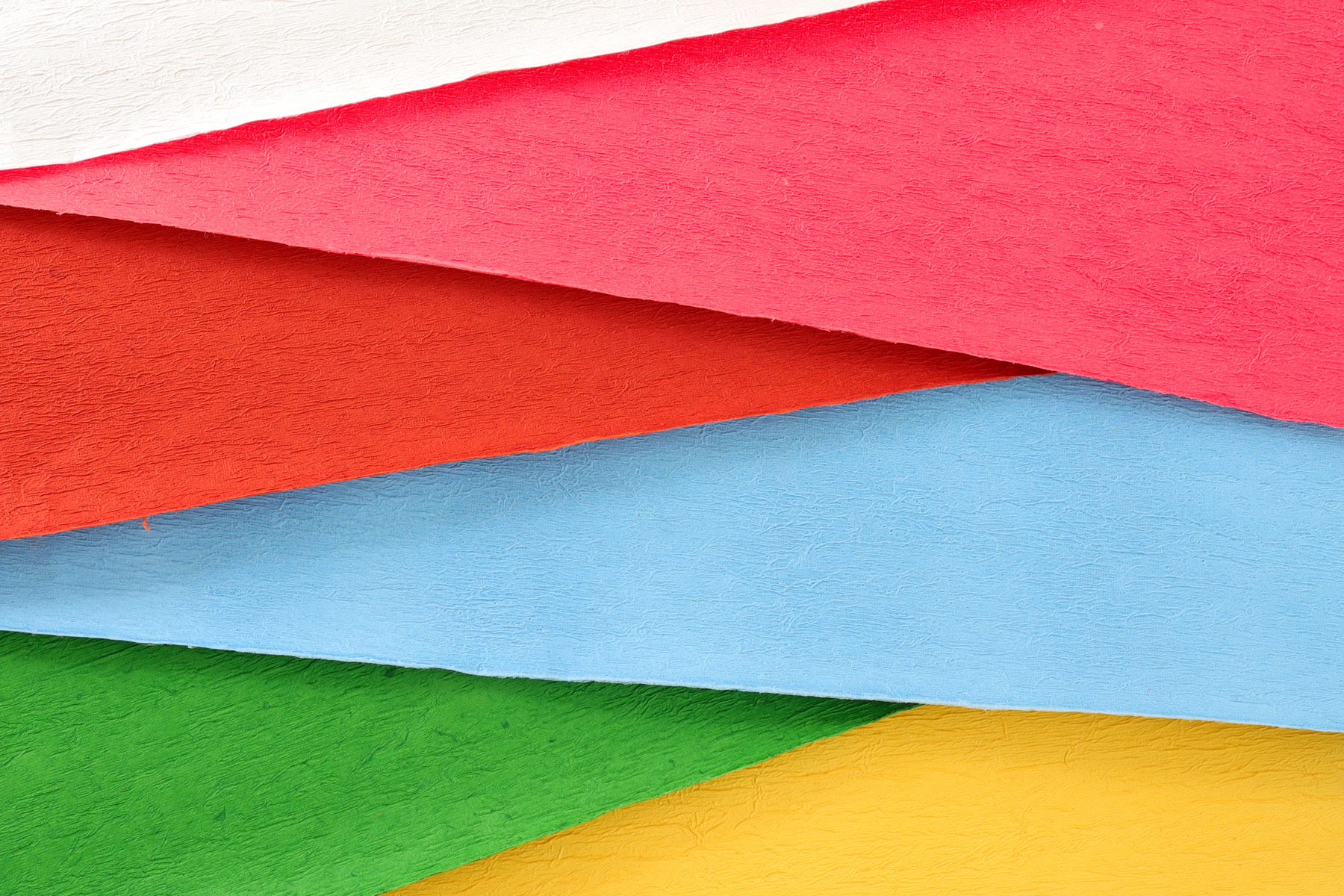
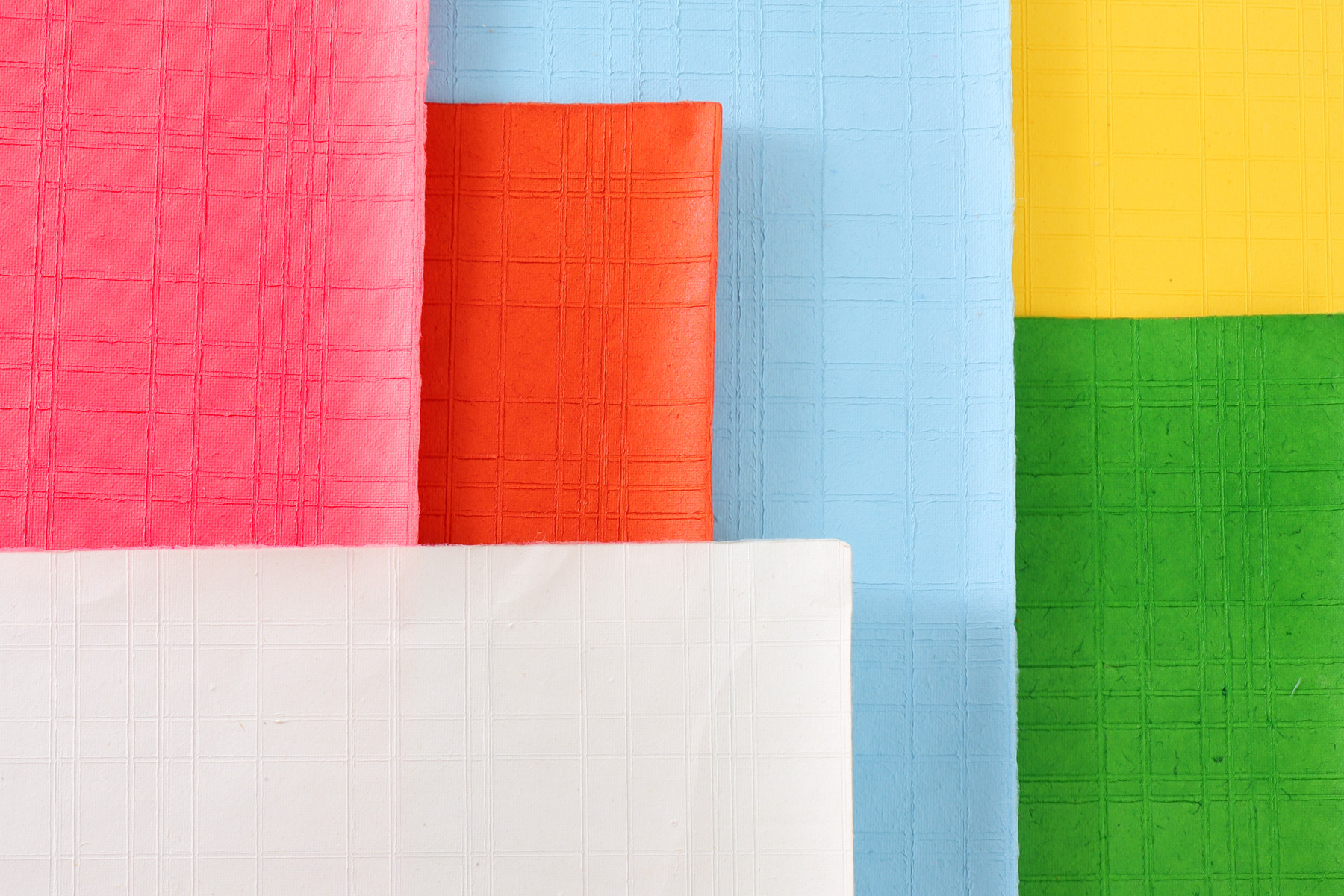
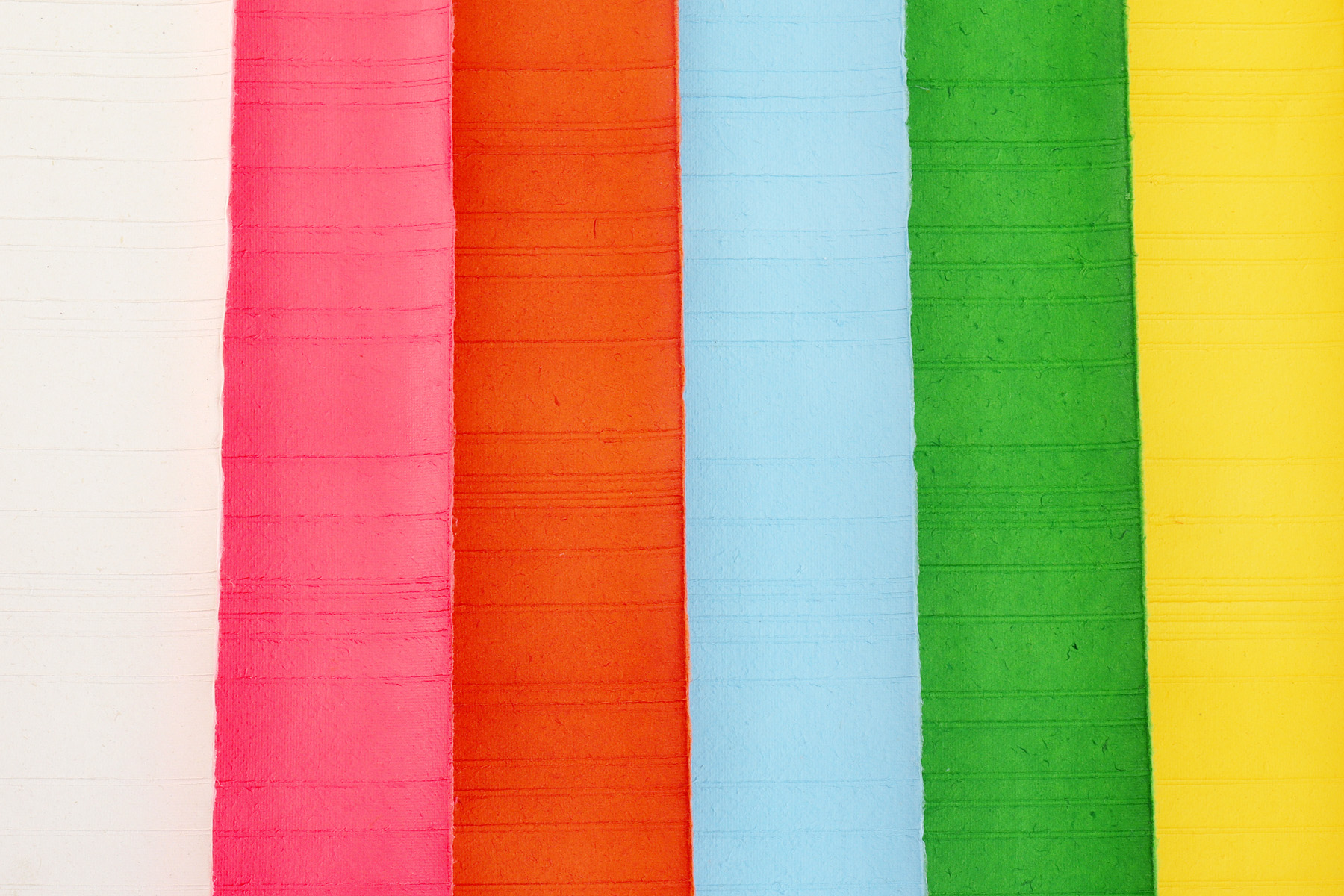
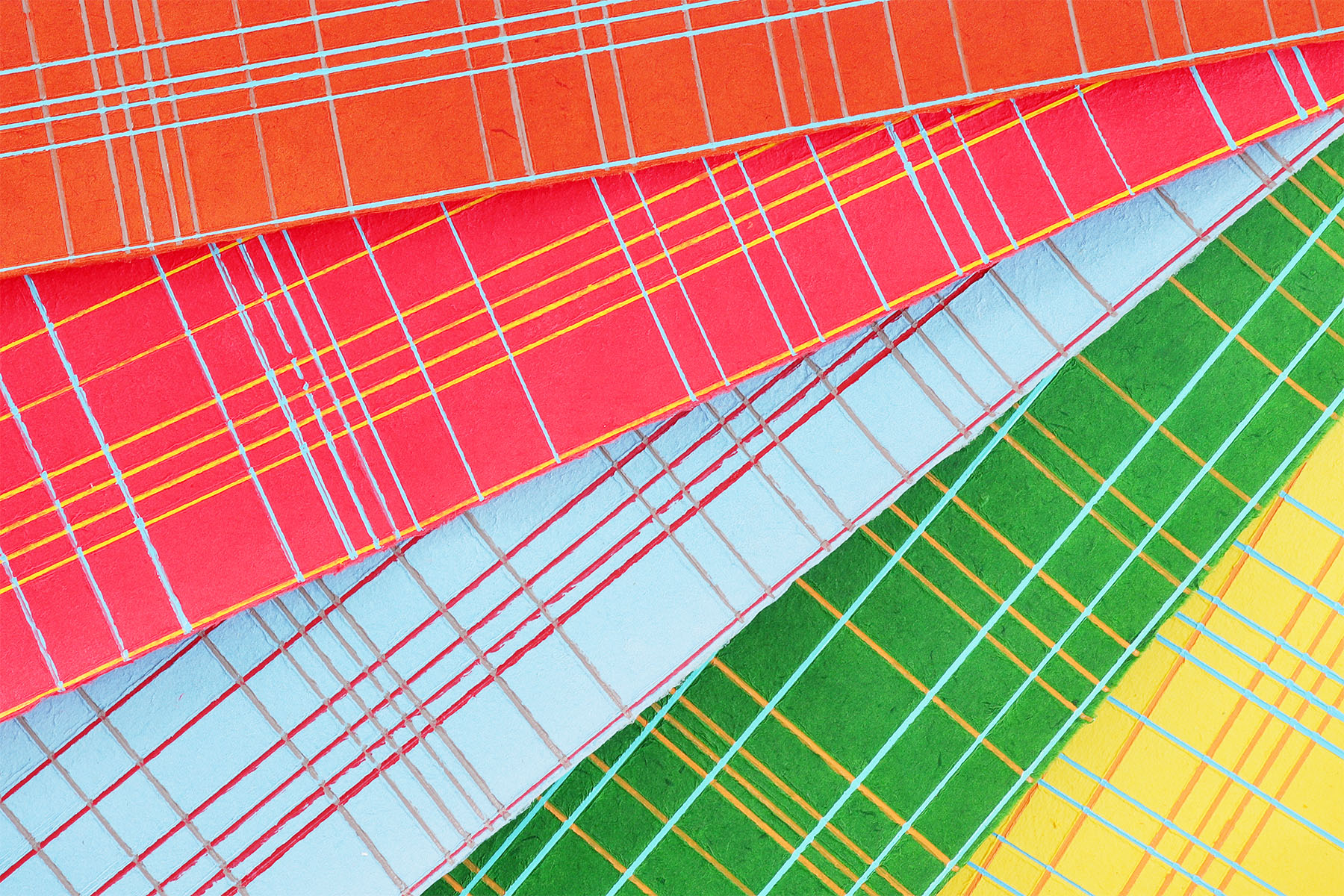
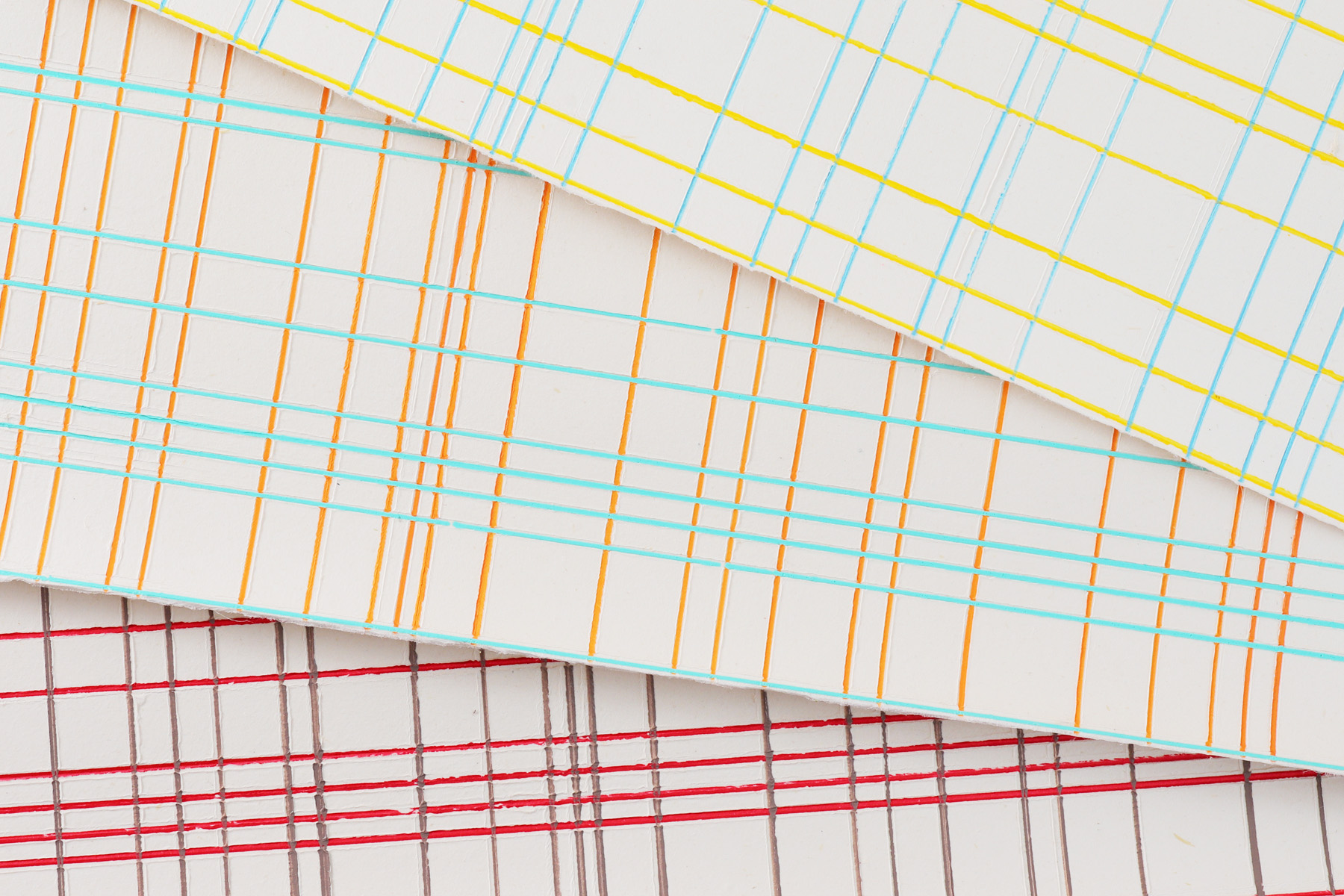
アバカと楮で分厚く漉いて
壁紙としても使われる「PHL紙」。
これまで農業廃棄物とされてきた
パイナップルの葉を原料にした「pinyapel」。
手漉き紙の表面には
手作業でつけた不均一な凹凸模様が
豊かな表情を作り出しています。
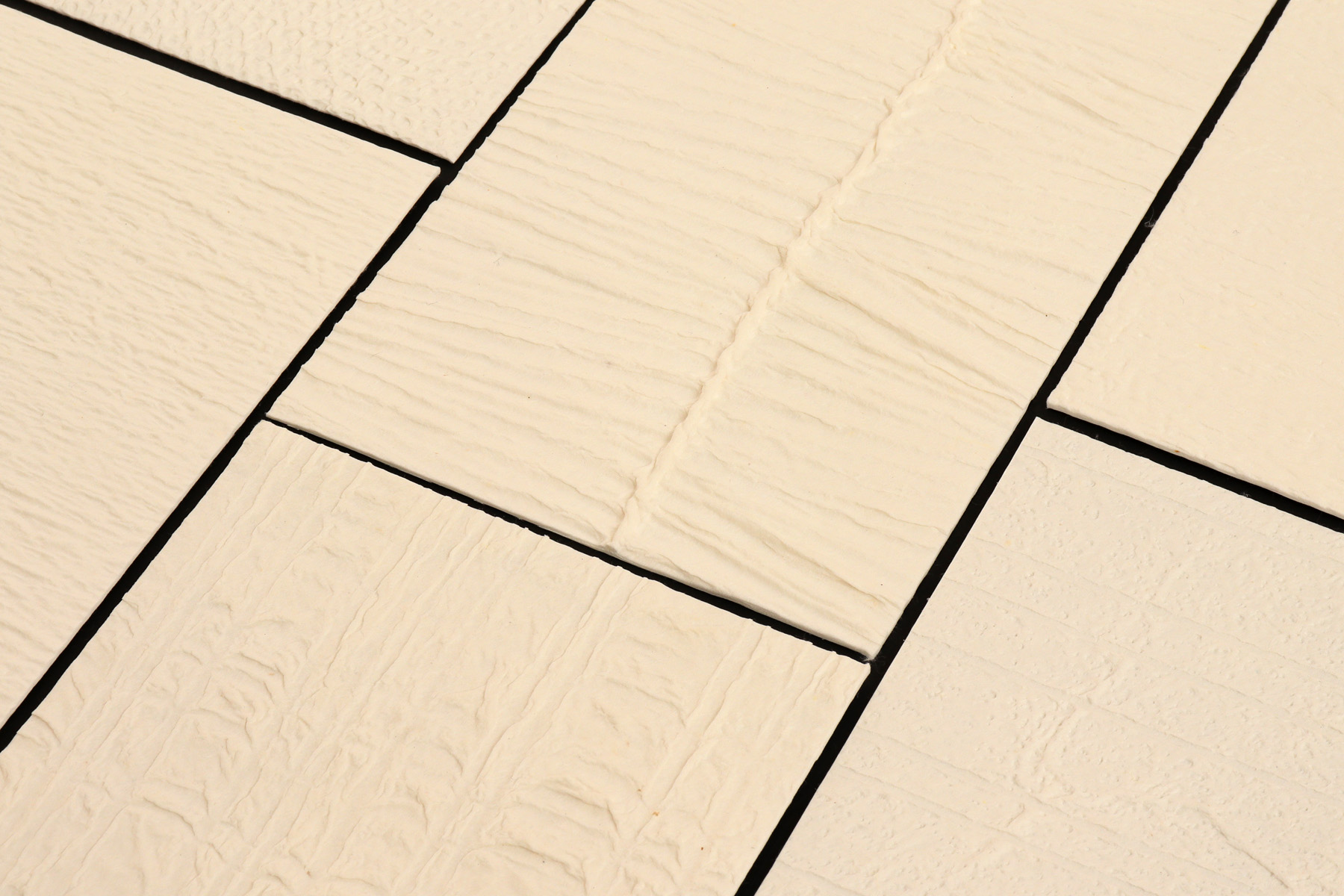
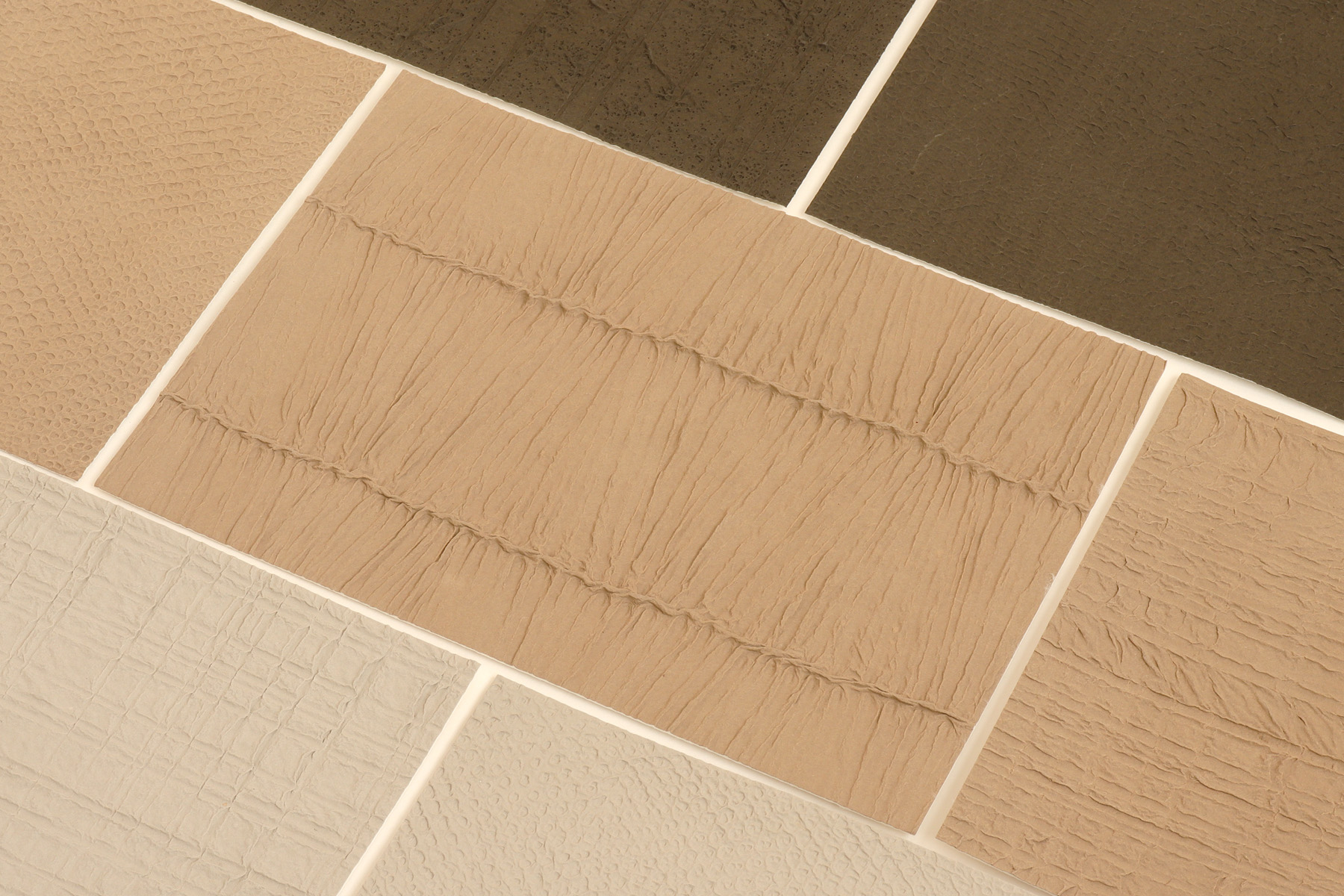
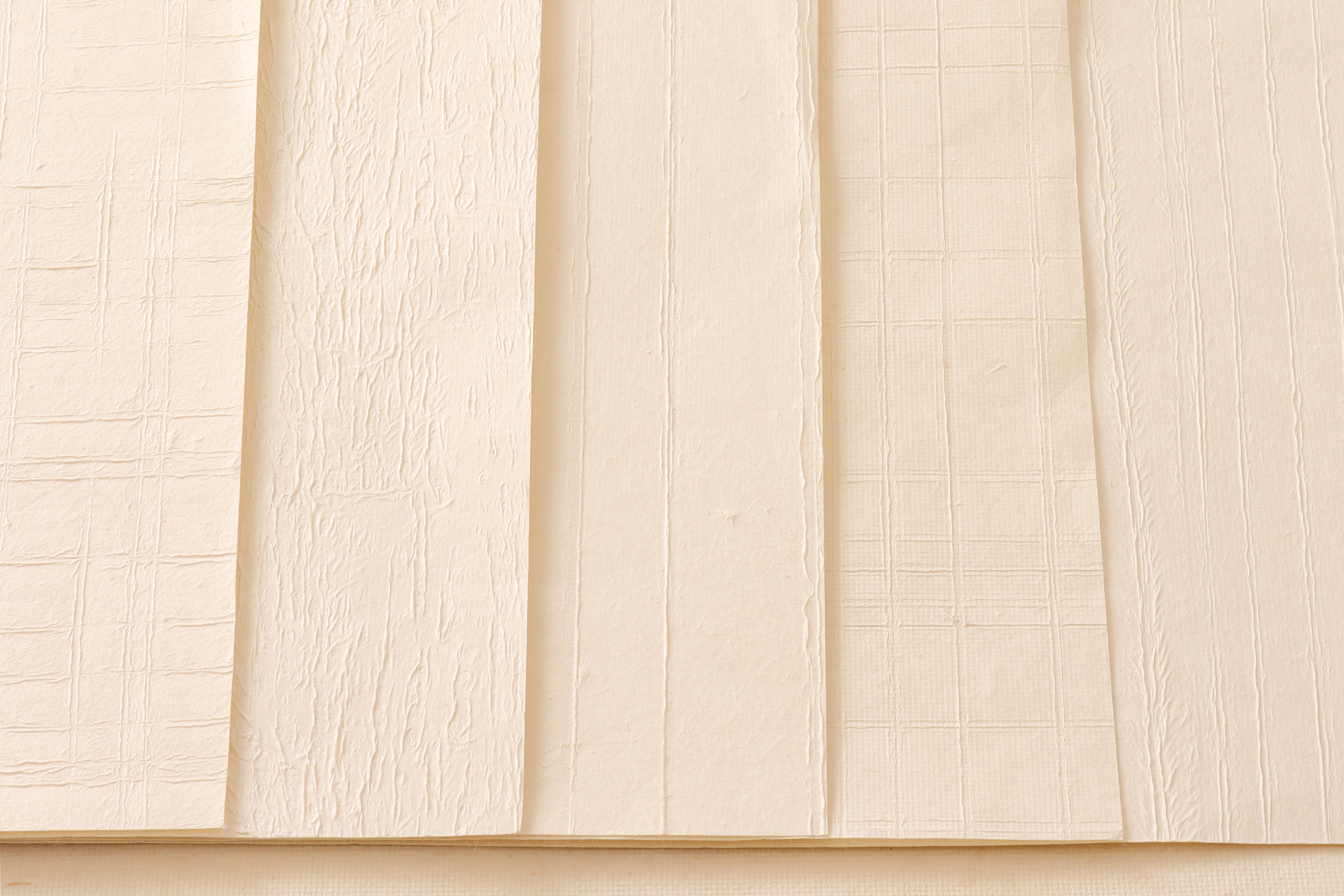
PHL Paper is thick handmade paper made from abaca and kozo fibers and is also used as wallpaper.
PINYA Paper is made from pineapple leaves, which have traditionally been treated as agricultural waste.
The surfaces of these handmade paper feature uneven patterns applied by hand, giving each sheet a richly expressive texture.